Monday, 22 May 2023

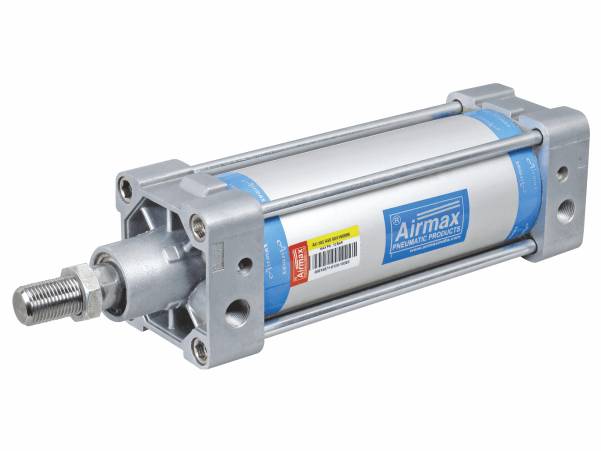
A Comprehensive Guide To Selecting The Right Single Acting Pneumatic Cylinder

Pneumatic cylinders are crucial in various industries and applications, offering numerous efficiency, reliability, and versatility benefits. Here are the reasons why a pneumatic cylinder is important:


  • Power and Control: Pneumatic cylinders provide powerful linear motion, converting compressed air energy into mechanical force. This force enables them to perform various tasks with precision and control, including lifting, pushing, pulling, and rotating objects.


  • Compact and Lightweight: Pneumatic cylinders are generally more compact and lightweight than other actuators, such as hydraulic or electric motors. This characteristic makes them suitable for applications with limited space or weight restrictions.


  • Fast and Responsive: Pneumatic cylinders are known for their rapid response times. They can achieve high speeds and quickly change direction, making them ideal for applications that require swift and precise movements.


  • Safety: Pneumatic systems are inherently safer than hydraulic systems because they use air as the working fluid instead of oil. This eliminates the risk of oil leaks, which can be hazardous in certain environments.


  • Cost-effective: Pneumatic cylinders are generally more cost-effective than other actuators. The initial cost of pneumatic components is often lower, and maintenance and operational costs are generally affordable.


  • Reliability: Pneumatic cylinders are designed to be durable and resistant to harsh operating conditions. They can withstand high temperatures, vibrations, and contaminants, ensuring reliable performance even in demanding environments.


  • Versatility: Pneumatic cylinders are available in various types, such as single-acting and double-acting pneumatic cylinders. They can be used in various industries, including manufacturing, automation, packaging, and transportation.


A pneumatic cylinder is important because it provides power, control, reliability, and versatility in various industrial applications. Whether a single acting pneumatic cylinder or another type, these devices offer efficient and cost-effective solutions for achieving linear motion and performing various tasks.


What Factors Should You Consider When Choosing A Pneumatic Cylinder?


  • Determine the required force and stroke length for your application.

  • Consider the operating pressure and ensure it matches the specifications of the cylinder.

  • Evaluate the available space and select a cylinder size that fits within your constraints.

  • Assess the speed requirements of your application and choose a cylinder with an appropriate operating speed.

  • Consider the environmental conditions, such as temperature and humidity, to ensure the cylinder's durability.

  • Evaluate the reliability and maintenance requirements of the cylinder.

  • Assess the cost-effectiveness and overall value of the cylinder.

  • Seek expert advice or consult the manufacturer to ensure compatibility with a single acting pneumatic cylinder.


Selecting The Right Single Acting Pneumatic Cylinder for Your Business


  • Determine the specific application requirements and understand the single-acting pneumatic cylinder's desired function.

  • Consider the load capacity and operating pressure needed for your business operations.

  • Evaluate the stroke length and cylinder size that will best suit your application.

  • Assess the environmental conditions, such as temperature and humidity, to ensure the cylinder's compatibility.

  • Examine the mounting options and ensure they align with your equipment and workspace.

  • Research different manufacturers and suppliers to find a reliable and reputable source for your single acting pneumatic cylinder.

  • Seek expert advice or consult with pneumatic specialists to ensure you choose the right cylinder for your business needs.

  • Compare prices, warranties, and after-sales support to make an informed decision on your purchase.


Giving Your Single Acting Pneumatic Cylinder A Platform


  • Begin by selecting a sturdy and stable platform that can adequately support the weight of the single acting pneumatic cylinder.

  • Ensure the platform is of appropriate size and dimensions to accommodate the cylinder without any overhang or instability.

  • Use non-slip materials or add grip-enhancing features to the platform surface to prevent the cylinder from sliding or shifting during operation.

  • Position the platform in a convenient location near the pneumatic system for easy access and maintenance.

  • Securely mount the single acting pneumatic cylinder onto the platform using appropriate brackets or mounting hardware.

  • Regularly inspect the platform for any signs of wear or damage and promptly address any issues to maintain its stability and reliability.

  • Remember to follow safety guidelines and consult the manufacturer's recommendations when working with single acting pneumatic cylinders.


Your Single Acting Pneumatic Cylinder is Your Advocate


  • Harness the power of a single acting pneumatic cylinder to drive linear motion in your applications.

  • Utilize the cylinder's ability to generate force in one direction, making it ideal for pushing, pressing, or lifting tasks.

  • Maximize efficiency by utilizing the cylinder's simple design, which requires air pressure to move the piston in one direction while utilizing a spring or other external force for the return stroke.

  • Maintain the cylinder's performance by regularly inspecting its components, ensuring proper lubrication, and checking for any signs of wear or leakage.

  • Capitalize on the cylinder's cost-effectiveness and reliability, as it offers a robust solution for numerous industrial and automation processes.

  • Explore different mounting options and accessories available for the single acting pneumatic cylinder to customize it to your needs.

  • Seek expert advice or consult the manufacturer for guidance on selecting the appropriate cylinder size and specifications for your application.

  • Trust your single acting pneumatic cylinder as a reliable partner that advocates for efficient and precise linear motion in your operations.

Tuesday, 16 May 2023

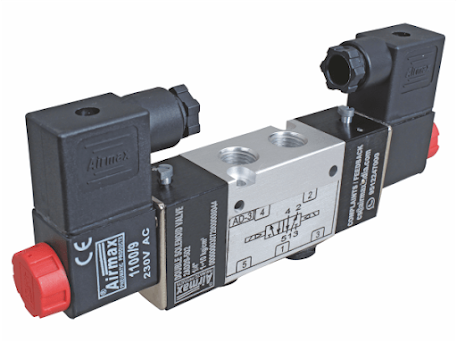
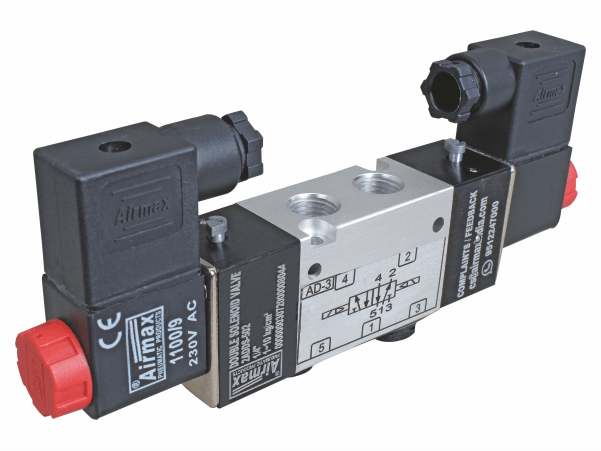
The Different Types of Directional Control Valves and Their Uses

Directional control valves are crucial in regulating fluid flow within a hydraulic or pneumatic system. They control fluid flow's direction, start, and stop, enabling the smooth operation of various industrial processes. Several directional control valves are available, each designed to meet specific system requirements. Let's explore some of the common types:


  • Spool valves: These valves consist of a cylindrical spool that slides within a housing. By positioning the spool, the flow path can be controlled, allowing fluid to flow through different ports.


  • Poppet valves: Poppet valves use a disc or a cone-shaped element that opens or closes to regulate flow. They are known for their quick response and high flow capacity, making them suitable for high-pressure applications.


  • Rotary valves: As the name suggests, these valves use a rotary motion to control fluid flow. They typically have a cylindrical rotor with channels that align with various ports, directing the flow accordingly.


  • Ball valves: Ball valves use a rotating ball with a bore to control the flow. When the ball is aligned with the port, fluid can flow; when it is rotated, the flow is blocked.


  • Sliding plate valves: These valves control the flow path using a sliding plate. The plate has slots or holes that align with the ports to allow fluid flow.


  • Proportional valves: Directional control valves regulate flow based on a variable input, such as an electrical or pressure signal. They provide precise control over flow rates, making them suitable for applications that require fine adjustments.


Directional control valves are vital in various industries, including manufacturing, construction, and transportation. They ensure the efficient and safe operation of hydraulic and pneumatic systems, enabling precise control over fluid flow and direction.


In summary, directional control valves are available in different types, including spool, poppet, rotary, ball, sliding plate, and proportional valves. Each type offers unique features and advantages, catering to specific system requirements. Whether it's controlling the movement of actuators or regulating flow in complex systems, directional control valves play a crucial role in maintaining smooth operations. So, to optimize your hydraulic or pneumatic system, choosing the right directional control valve is essential to ensure optimal performance.


How Do Directional Control Valves Work?


Directional control valves are vital components in hydraulic systems that regulate the flow of fluids, such as oil or water, in a desired direction. They play a crucial role in determining the path and timing of fluid flow, allowing for precise control over the operation of various hydraulic actuators. Here's an overview of how directional control valves work:


  • Purpose: Directional control valves are designed to direct fluid flow from an input port to one or more output ports, selectively allowing or blocking the passage of fluid based on the valve's position.


  • Spool Design: Most directional control valves employ a spool mechanism that slides within a housing, controlling the flow passages and directing fluid. The spool has different landings and channels that correspond to various flow paths.


  • Positions: Directional control valves typically have two or more positions, such as "open" and "closed." In the open position, fluid can flow through specific channels, while in the closed position, the flow is blocked.


  • Actuation Methods: These valves can be actuated mechanically, electrically, pneumatically, or hydraulically, depending on the specific application. The actuator moves the spool to change the valve's position and control the fluid flow.


  • Control Mechanisms: Directional control valves can be manually operated or controlled by automated systems, such as solenoids, hydraulic pilots, or computerized control units, which enable precise and responsive control over the valve's position.


  • Applications: Directional control valves find extensive use in various industries, including manufacturing, construction, agriculture, and automotive, where they control the movement of cylinders, motors, and other hydraulic components.


Directional control valves are essential for achieving efficient and controlled hydraulic operations. By precisely directing the fluid flow, these valves enable the proper functioning of hydraulic systems, ensuring smooth and reliable operation. The directional control valve is critical for controlling fluid power in simple or complex systems.


When Should You Use A Directional Control Valve? 


A directional control valve is an essential component in various hydraulic and pneumatic systems, allowing for the control and regulation of fluid flow. Understanding when to use a directional control valve is crucial for optimizing the performance and efficiency of your system. Here are some key situations where the implementation of a directional control valve is necessary:


  • Changing fluid direction: Directional control valves are primarily used to control the flow direction of fluids in hydraulic and pneumatic systems. When you need to alter the fluid flow path, such as redirecting it from one actuator to another or reversing the direction of a cylinder, a directional control valve is indispensable.


  • Controlling fluid flow: Directional control valves enable precise regulation of fluid flow rates. Whether you need to increase, decrease, or completely shut off the flow, these valves offer the flexibility to achieve accurate control. This feature is particularly useful in applications requiring controlled movement or speed adjustment.


  • Actuator selection: Directional control valves allow you to choose which actuators are active in your system. Using the valve to control which actuators receive fluid flow, you can selectively activate or deactivate specific components according to your system requirements.


  • Safety and emergencies: Directional control valves are instrumental in emergency stop scenarios and safety measures. Using these valves, you can quickly shut off the fluid flow to specific system parts, isolating potential hazards or preventing further damage.


  • Sequential operations: Directional control valves play a critical role in systems that require a specific sequence of events or operations. They enable the proper sequencing of actuators, ensuring that each actuator engages or disengages in the correct order for optimal performance.


In summary, a directional control valve is essential when changing fluid direction, controlling fluid flow, selecting actuators, addressing safety concerns, or performing sequential operations in your hydraulic or pneumatic system. Incorporating this valve can enhance your system's overall efficiency, functionality, and safety.


The Benefits of Using a Directional Control Valve 


A directional control valve is a critical component in various industrial and manufacturing applications, offering precise control over the direction and flow of fluids or gasses. Whether it's hydraulic, pneumatic, or other fluid power systems, directional control valves provide numerous benefits that enhance efficiency and performance. Here are some key advantages of using a directional control valve:


  • Enhanced Control: Directional control valves allow operators to regulate the flow of fluids or gasses, enabling precise control over the direction and speed of actuators. This feature ensures accurate movement and positioning, improving productivity and operational efficiency.


  • Versatility: These valves come in various configurations, including spool, poppet, and rotary valves, offering versatility to meet specific system requirements. They can be customized with different port sizes, flow rates, and pressure ratings, allowing seamless integration into diverse applications.


  • Safety and Reliability: Directional control valves are crucial in ensuring the safety and reliability of hydraulic and pneumatic systems. They enable emergency shutdowns, prevent system overloads, and regulate pressure levels, protecting equipment and minimizing the risk of accidents.


  • Energy Efficiency: Directional control valves optimize energy usage in fluid power systems by controlling the flow direction and speed. They allow for precise activation and deactivation of actuators, reducing unnecessary energy consumption and improving overall system efficiency.


  • Simplified Maintenance: Directional control valves are designed for easy maintenance and replacement. Their modular construction and standardized interfaces enable quick troubleshooting and part replacements, minimizing downtime and enhancing system reliability.


In summary, directional control valves offer a range of benefits, including enhanced control, versatility, safety, energy efficiency, and simplified maintenance. These advantages make them indispensable components in fluid power systems across various industries, ensuring optimal performance and productivity. Incorporating a directional control valve into your system can significantly enhance efficiency and effectiveness.


Directions Control Valve FAQs 


Are you looking for answers to common questions about directional control valves? Look no further! This article has compiled a list of frequently asked questions (FAQs) to help you better understand directional control valves. Whether you are a beginner or an experienced professional, these FAQs will provide valuable insights into this essential component of fluid power systems.


Here are some of the most commonly asked questions about directional control valves:


What is a directional control valve? 


A directional control valve is used to control the direction of fluid flow in a hydraulic or pneumatic system.


How does a directional control valve work? 


A directional control valve typically consists of a movable spool or poppet that controls fluid flow through different ports to change the direction of fluid flow.


What are the applications of directional control valves? 


Directional control valves are widely used in various industries such as manufacturing, construction, agriculture, and transportation for controlling the movement of actuators, such as cylinders and motors.


What are the types of directional control valves? 


Different types of directional control valves, including spool, poppet, and rotary valves, each with advantages and applications.


What factors should I consider when selecting a directional control valve?


Factors to consider include the fluid type, flow rate, pressure rating, number of ports and positions, and the required actuator operation.


What are the common problems faced with directional control valves? 


Common issues include leakage, sticking or jamming of the spool, insufficient flow, and erratic valve operation.


By understanding these FAQs, you can better understand directional control valves and their importance in fluid power systems. Consult with experts or manufacturers when selecting and troubleshooting directional control valves to ensure optimal performance and safety.

Saturday, 29 April 2023

The Five Different Types Of Air Cylinders And Their Uses

The Air Cylinder: An Overview 

A pneumatic air cylinder is a mechanical device that uses compressed air to create linear motion. It consists of a cylindrical tube, a piston, and a rod. When compressed air is applied to one side of the piston, it creates a force that moves the piston and the rod in the desired direction. Air cylinders are used in various applications, including manufacturing, automation, transportation, and construction.

The design and operation of an air cylinder can vary depending on its intended use. For example, single-acting air cylinders use air pressure to move the piston in one direction. A spring or other mechanism returns the piston to its original position. Double-acting air cylinders use air pressure to move the piston in both directions, which allows for more precise control over the motion.

Air cylinders come in various sizes and configurations, ranging from small cylinders that can fit in the palm of your hand to large industrial cylinders that can lift heavy loads. Depending on the application's specific requirements, they can also be made from different materials, such as aluminum, steel, or plastic.

Overall, air cylinders offer a reliable and efficient way to convert compressed air into linear motion. They are widely used in industry and automation because of their simplicity, low cost, and ease of maintenance. By understanding the basic principles of air cylinders and their various applications, engineers, and technicians can choose the right cylinder for their specific needs and ensure optimal performance and safety.

Different Types of Air Cylinders 

Air cylinders come in various types, each with unique features and capabilities to suit different applications. Understanding the differences between these types is essential in selecting the right cylinder for your specific needs.

Single-acting cylinders are a common type that uses compressed air to move the piston in one direction. A spring or other mechanism accomplishes the return stroke. Single-acting cylinders are simple and cost-effective but have limited stroke lengths and force capabilities.

Double-acting cylinders are another popular type that uses compressed air to move the piston in both directions. This design provides more precise control over the motion and can generate higher forces. They are typically used in applications where power and accuracy are critical, such as in industrial machinery and robotics.

Telescoping cylinders consist of a series of nested cylinders that move in and out of each other, providing a longer stroke than a standard cylinder of the same length. Telescoping cylinders are commonly used in limited space applications, such as in aircraft landing gear.

Rodless cylinders are pneumatic cylinders that operate without an external rod. The piston is connected to an internal carriage that moves along a linear rail, eliminating the need for an external rod. This design allows longer strokes and eliminates the risk of damage to the outer rod.

Guided cylinders use external guides to keep the piston centered and prevent it from twisting or binding during operation. They are commonly used in applications where precise and stable motion is essential, such as assembly lines.

Compact cylinders are a space-saving design that uses a small bore and stroke length to reduce the overall size of the cylinder. Compact cylinders are ideal for tight spaces like small machines and equipment.

Rotary actuators are a type of cylinder that provides rotational motion instead of linear motion. They are commonly used in automation applications like indexing or turning equipment.

In conclusion, understanding the different types of air cylinders is crucial in selecting the right cylinder for your specific needs. Each type has unique features and capabilities that make them suitable for different applications. You can achieve optimal application performance, efficiency, and safety by selecting the right cylinder.


The Single-Acting Air Cylinder 

A single-acting air cylinder is a mechanical device that uses compressed air to generate linear motion in one direction. It is a popular type of pneumatic cylinder due to its simplicity, low cost, and ease of maintenance. Single-acting cylinders consist of a cylinder tube, piston, and rod. The piston is moved by compressed air, which creates a force that moves the piston and the attached rod in the desired direction. A spring or other mechanism accomplishes the return stroke.

Single-acting cylinders have limited stroke lengths and force capabilities compared to double-acting cylinders. However, they are an excellent choice for applications that require simple, low-cost solutions with limited motion requirements. Common applications of single-acting cylinders include actuating valves, doors, and gates in industrial and agricultural settings.

Single-acting cylinders come in various sizes and configurations, including round, square, and compact designs. Depending on the application's specific requirements, they can also be made from different materials, such as aluminum, steel, and plastic.

One of the benefits of using single-acting cylinders is their simplicity. They require minimal maintenance and are easy to repair when necessary. In addition, they have low energy consumption and do not require an external power source, making them ideal for remote or portable applications.

Despite their simplicity, single-acting cylinders require proper installation and maintenance to ensure optimal performance and safety. Regular inspection and cleaning of the cylinder and its components are essential to prevent wear and damage. In addition, proper lubrication of the cylinder's moving parts is necessary to ensure smooth and reliable operation.

In conclusion, single-acting air cylinders are a simple and cost-effective solution for applications that require limited linear motion. They are easy to maintain, energy-efficient, and do not require an external power source. By understanding the basics of single-acting cylinders and their applications, engineers, and technicians can choose the right cylinder for their specific needs and ensure optimal performance and safety.

The Double-acting Air Cylinder 

A double-acting air cylinder is a mechanical device that uses compressed air to generate linear motion in both directions. It is a popular choice in applications that require precise control and a higher level of force than single-acting cylinders. Double-acting cylinders consist of a cylinder tube, piston, and rod. The piston is moved by compressed air, which creates a force that moves the piston and the attached rod in the desired direction. The air pressure is then reversed to move the piston in the opposite direction.

Double-acting cylinders have several advantages over single-acting cylinders. They can generate higher forces and provide more precise control over the motion. They also have longer stroke lengths, allowing them to move over a greater distance. Double-acting cylinders are widely used in industrial machinery, automation, and robotics applications.

Double-acting cylinders come in various sizes and configurations, including round, square, and compact designs. Depending on the application's specific requirements, they can also be made from different materials, such as aluminum, steel, and plastic.

One of the benefits of using double-acting cylinders is their ability to provide precise control over the motion. This is achieved by adjusting the cylinder's air pressure and flow rate. As a result, double-acting cylinders are commonly used in applications that require accurate positioning and speed control.

Despite their benefits, double-acting cylinders require proper installation and maintenance to ensure optimal performance and safety. Regular inspection and cleaning of the cylinder and its components are essential to prevent wear and damage. In addition, proper lubrication of the cylinder's moving parts is necessary to ensure smooth and reliable operation.

In conclusion, double-acting air cylinders are a reliable and efficient solution for applications requiring precise control and greater force than single-acting cylinders. They offer longer stroke lengths and can generate higher forces, making them ideal for industrial machinery, automation, and robotics applications. By understanding the basics of double-acting cylinders and their applications, engineers and technicians can choose the right cylinder for their specific needs and ensure optimal performance and safety.

The Hollow Air Cylinder 

A hollow air cylinder, also known as a bored cylinder, is a type of pneumatic cylinder designed with a hollow bore running through the center of the cylinder. This feature allows for a piston rod or other components to be placed inside the cylinder, which can be useful in certain applications.

Hollow air cylinders are commonly used in applications where space is limited, or the cylinder needs to be integrated into a machine or assembly. For example, in some automated manufacturing systems, a hollow air cylinder can provide a pass-through for a product or part that needs to be processed. This can save space and improve efficiency in the manufacturing process.

Hollow air cylinders come in various sizes and configurations, including round, square, and compact designs. Depending on the application's specific requirements, they can also be made from different materials, such as aluminum, steel, and plastic.

One of the benefits of using a hollow air cylinder is its versatility. The hollow bore provides an opportunity to integrate the cylinder into a larger system or machine, which can help to reduce overall size and complexity. Additionally, the hollow bore can be used to hold sensors or other components, which can help improve the system's accuracy and efficiency.

Despite their benefits, hollow air cylinders require proper installation and maintenance to ensure optimal performance and safety. Regular inspection and cleaning of the cylinder and its components are essential to prevent wear and damage. In addition, proper lubrication of the cylinder's moving parts is necessary to ensure smooth and reliable operation.

In conclusion, hollow air cylinders are versatile and useful in many pneumatic systems. They can help to save space and improve the efficiency and accuracy of automated manufacturing systems. By understanding the basics of hollow air cylinders and their applications, engineers and technicians can choose the right cylinder for their specific needs and ensure optimal performance and safety.

How to Choose the Right Air Cylinder for Your Business 

Choosing the right air cylinder for your business ensures optimal performance and efficiency. There are several factors to consider when selecting an air cylinder, including the application, operating environment, size, and material.

Firstly, consider the application requirements. Will the cylinder need to generate high forces or operate at high speeds? Will it need to operate in a corrosive or hazardous environment? Answering these questions will help to determine the type of cylinder needed, such as a double-acting or hollow air cylinder.

Secondly, consider the operating environment. Will the cylinder need to operate in extreme temperatures or high humidity? Will it be exposed to corrosive chemicals or other hazards? These factors, such as stainless steel or plastic, can impact the material choice.

Thirdly, consider the size and stroke length required for the application. Choosing a cylinder with the appropriate bore and stroke length is important to ensure it can provide the necessary force and movement for the application.

Lastly, consider the maintenance requirements and availability of replacement parts. Choosing a cylinder that is easy to maintain and has readily available replacement parts is important to minimize downtime and ensure optimal performance.

In summary, choosing the right air cylinder for your business requires careful consideration of the application requirements, operating environment, size, and material. By selecting the appropriate cylinder, you can ensure optimal performance and efficiency, minimize downtime, and improve the overall operation of your business. It is recommended to consult with a pneumatic system expert or supplier to determine the best cylinder for your specific needs.

The Benefits of Air Cylinders

Air or pneumatic cylinders offer numerous benefits in industrial and automation applications. Here are some of the key advantages:

  • High force and speed: Air cylinders can generate high forces and operate at high speeds, making them ideal for applications requiring quick, precise movements.

  • Easy to operate: Air cylinders are easy to operate and require minimal training, making them ideal for automated systems and manufacturing processes.

  • Cost-effective: Air cylinders are generally less expensive than other actuators, such as hydraulic or electric motors, making them cost-effective for many applications.

  • Low maintenance: Air cylinders require minimal maintenance compared to other actuators, reducing downtime and maintenance costs.

  • Durability: Air cylinders are designed to withstand harsh environments and operate in various temperatures and conditions.

  • Versatility: Air cylinders come in various sizes, configurations, and materials, making them suitable for various applications, from simple linear motion to complex robotic systems.

  • Energy efficiency: Air cylinders are energy efficient and can be used with compressed air, often readily available in industrial settings.

In conclusion, air cylinders offer numerous benefits for industrial and automation applications. They are easy to operate, cost-effective, durable, and energy-efficient, making them a popular choice for many businesses. By understanding the advantages of air cylinders, engineers and technicians can choose the right actuator for their specific needs and ensure optimal performance and efficiency in their operations.

Understanding the Basics of Pneumatic Valves: A Comprehensive Guide

Embark on a journey into the fascinating realm of pneumatic systems, where the power of compressed air drives a myriad of industrial applica...