Showing posts with label Pneumatic Valve. Show all posts

Friday, 12 January 2024

Understanding the Basics of Pneumatic Valves: A Comprehensive Guide

Embark on a journey into the fascinating realm of pneumatic systems, where the power of compressed air drives a myriad of industrial applications. This introductory guide aims to demystify the fundamental principles behind pneumatic systems, shedding light on their ubiquitous presence in manufacturing, automation, and beyond.

  • Compressed Air Essentials: Explore the concept of compressed air as the lifeblood of pneumatic systems, providing a clean, efficient, and versatile power source.

  • Components Overview: Delve into the key components that make up a pneumatic system, from compressors and cylinders to filters and regulators.

  • Working Mechanism: Uncover the inner workings of pneumatic systems, understanding how air pressure controls actuators to perform diverse tasks.

  • Applications Across Industries: Discover the wide-ranging applications of pneumatic systems, from simple hand tools to complex manufacturing processes.


In this dynamic exploration, we will navigate through the basics, laying the foundation for a deeper understanding of pneumatic systems and their pivotal role in modern engineering. As we delve into the intricacies, keep an eye out for the crucial element—the pneumatic valve—orchestrating the flow of air with precision.

Key Components of Pneumatic Valves: An Overview

Pneumatic valves play a crucial role in controlling the flow of compressed air in various industrial applications. Understanding the key components of these valves is essential for efficient operation.


  • Valve Body: The main housing that encases all internal components.

  • Actuator: Converts energy into motion to control the valve.

  • Spool or Poppet: Determines the flow of air by blocking or allowing passage.

  • Ports: Inlets and outlets for air to enter and exit.

  • Positioner: Regulates the valve's position for precise control.

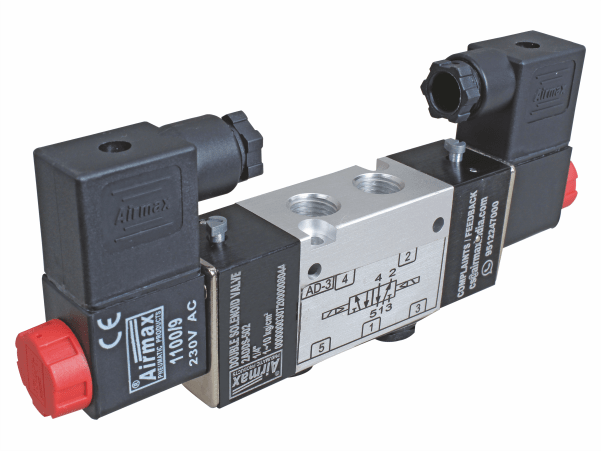
  • Solenoid Coil: Electromagnetic coil used for opening or closing the valve.

  • Manual Override: Allows manual control in case of power failure.


A well-designed pneumatic valve system enhances automation and ensures optimal performance. Whether in manufacturing or other industries, the seamless coordination of these components is critical for maintaining efficiency and productivity. 

Working Principles: How Pneumatic Valves Control Air Flow

Pneumatic valves play a crucial role in controlling the flow of air in various industrial applications, utilizing compressed air to execute precise operations. Understanding their working principles is fundamental for efficient system functionality.


  • Actuation Mechanism: Pneumatic valves are actuated by compressed air, transforming energy into mechanical motion.

  • Types of Pneumatic Valves: These valves come in various types, including solenoid valves, diaphragm valves, and spool valves, each designed for specific applications.

  • Directional Control: Pneumatic valves regulate the direction of airflow, determining whether it flows through the valve or is blocked.

  • Flow Control: By adjusting the valve opening, operators can control the rate of air flow, facilitating precision in pneumatic systems.


In summary, pneumatic valves are integral components in industrial automation, ensuring seamless control and manipulation of air flow for diverse applications. Employing the right pneumatic valve is crucial for achieving optimal performance in pneumatic systems.

Common Types of Pneumatic Valves and Their Functions

Pneumatic valves play a crucial role in controlling the flow of air in various industrial applications. Understanding the different types of pneumatic valves and their functions is essential for efficient system operation. Here are key types:


  • Directional Control Valves: Regulate the airflow direction, determining the path of compressed air within the system.

  • Solenoid Valves: Use electromagnetic solenoids to control the valve's opening and closing, allowing for rapid response and precise control.

  • Pressure Control Valves: Maintain a consistent pressure level within the pneumatic system, preventing over pressurization.

  • Flow Control Valves: Regulate the rate of airflow, enabling control over the speed of pneumatic actuators.

  • Check Valves: Permit airflow in one direction only, preventing backflow and maintaining system integrity.


Selecting the appropriate pneumatic valve ensures optimal performance in diverse applications. Whether it's directional control or pressure regulation, the right pneumatic valve is crucial for efficient industrial processes.

Understanding Valve Actuators: The Driving Force Behind Pneumatic Systems

Valve actuators play a pivotal role in the seamless operation of pneumatic systems, serving as the driving force that controls the flow of gases or liquids. Here's a brief overview:


  • Key Components: Valve actuators consist of various components, including motors, gears, and springs, working together to control the movement of valves.

  • Pneumatic vs. Electric: While electric actuators are common, pneumatic actuators excel in applications where quick response times and simplicity are paramount, making them crucial for pneumatic systems.

  • Versatility: Valve actuators are highly versatile, adapting to different valve types, such as ball valves, butterfly valves, and gate valves.

  • Precision Control: These actuators provide precise control over the opening and closing of valves, ensuring optimal performance in diverse industrial processes.


In the realm of pneumatic systems, the term "Pneumatic Valve" encapsulates the essential role played by valve actuators, emphasizing their significance in maintaining operational efficiency.

Sunday, 2 April 2023

How to Choose the Right Pneumatic Valve for Your Application

When it comes to industrial applications, choosing the right pneumatic valve can be daunting. With so many different types and sizes available, knowing which is best for your needs can be challenging. In this blog post, we'll provide all the information you need to decide when selecting a pneumatic valve. We'll discuss pneumatic valves, why they're used, and what factors should be considered when selecting one. Finally, we'll provide a step-by-step guide to choosing the right pneumatic valve for your application.

Introduction


Pneumatic valves are an essential component in many industrial applications. From controlling airflow and other gasses to regulating pressure and temperature, these valves are used in various industries, including automotive manufacturing, nuclear power plants, chemical processing, food production, etc. But with so many types of pneumatic valves available today, it cannot be easy to know which one is right for your application. 


Whether you're looking for a general-purpose valve or something more specialized for a specific job, understanding the different types of pneumatic valves available is key to making the best decision for your needs. In this article, we will cover the basics of what a pneumatic valve is and how they work, as well as provide an overview of the different types and applications they are commonly used for. We'll also discuss some important factors when choosing the right pneumatic valve for your application. 


Pneumatic valves are operated by pressurized air or gas, which can open or close them depending on their design. They are either manually operated through levers or buttons or automatically activated using sensors and actuators. The most common type of automatic valve uses solenoid technology to open and close quickly without requiring any manual input from operators. Pneumatic valves come in various sizes and shapes with varying materials depending on their intended use case. 


To choose the right pneumatic valve, you must ensure it is compatible with your existing equipment and systems and meets all safety requirements for industrial use. Additionally, consider the flow rate requirements based on your specific application's needs and any additional features like corrosion resistance that might be important in certain environments or applications. Finally, cost should also be considered when selecting a suitable pneumatic valve model for your project - although it shouldn't be prioritized over quality! 


By understanding these basic elements about pneumatic valves - their design principles, types available on the market today, and associated characteristics like flow rate requirements and additional features - you can make an informed decision about which type best suits your needs before purchasing. This article will provide an overview of these elements so you can make an educated choice when selecting a pneumatic valve for your application.

What is a pneumatic valve?


A pneumatic valve is an automated device that uses a compressed air source to control the flow of liquids and gasses. It is often used for controlling the pressure, flow rate, and direction of various fluids in industrial applications. Pneumatic valves are designed to be reliable, durable, efficient, and cost-effective solutions for most industrial applications.


Pneumatic valves typically consist of several components: a body, actuator, stem or spindle, seals, and other internal parts. The body holds everything together and is usually constructed from a metal such as brass or stainless steel. When external forces such as electric signals or pressure changes activate the actuator, the valve opens and closes. As a result of the stem or spindle working with the actuator, the valve can be opened and closed while remaining sealed simultaneously. Seals prevent leakage between moving parts inside the valve as it operates and may be made from rubber or plastic. Other internal components include springs, diaphragms, gaskets, O-rings, etc., depending on the type of valve used. 


Pneumatic valves have many advantages over other valves, including their ability to operate quickly in response to external stimuli without having any contact with mechanical elements. This reduces maintenance costs compared to manual control systems, which require regular lubrication and servicing due to wear on moving parts such as stems or spindles. They also offer superior accuracy compared to manual systems since they can be programmed with precise values for controlling pressure levels within a system more precisely than human operators can achieve alone. Finally, they provide better safety since they can be set up with fail-safe settings, which will shut off a system if something goes wrong with one of its components, thus preventing possible disasters before they happen.


Why are pneumatic valves used?


Pneumatic valves are used in various industries for their numerous advantages over other valves. One of the primary reasons is their rapid response time in controlling liquids and gasses. They can open and close quickly without any contact with mechanical elements, making them ideal for applications that require instantaneous control or frequent adjustments. Pneumatic valves also feature superior accuracy, allowing them to be used in applications where the flow rate must be precisely controlled. 


Another advantage of pneumatic valves is their robustness and reliability compared to other valves. These components are often made from metal such as brass or stainless steel, meaning they can stand up to extreme temperatures and pressures. This makes them suitable for various industrial applications such as chemical processing, oil, and gas production, energy production, and water treatment plants. 


In addition to reliability, pneumatic valves offer excellent safety features with fail-safe settings to prevent unexpected operation or leakage. Many pneumatic systems have built-in safety mechanisms such as pressure relief valves or emergency shutoff switches, which automatically stop the flow if something goes wrong. This ensures that pneumatic systems remain safe during unexpected events or power outages. 


Pneumatic valves offer numerous advantages over other valves when controlling liquids and gasses in various industrial settings. Their fast response times, superior accuracy levels, robustness, and safety features make them ideal for many demanding environments where performance is key.

A pneumatic valve should be chosen based on what factors you must consider.


When selecting the right pneumatic valve for your application, many factors must be considered. First, you must determine which type of valve suits your needs. Several types are available, including two-way flow valves, three way mixers, and four way splitters. The type of valve needed largely depends on the nature of the application and the pressure and flow rate requirements. 


Next, you should consider the appropriate valve size for your system. Valve sizes range from small devices that fit into tight spaces to larger valves used in industrial settings. It's important to select a device with enough capacity to handle the job while maintaining an acceptable level of performance. Additionally, some valves can be adjusted or customized based on specific requirements such as flow rate or pressure rating. 


In addition to size and type, materials are also important when choosing a pneumatic valve for your application. Different components require different materials depending on their operating environment; stainless steel is often used in high-pressure applications due to its strength and durability, while brass offers superior corrosion resistance in low pressure systems. Finally, consider additional features such as electric actuation or fail-safe settings with certain models if greater control over your system is desired. 


Ultimately, by considering all these factors when selecting your pneumatic valve needs, you can find one that meets your specific requirements while providing reliable operation and long-term performance.

How to choose the right pneumatic valve for your application


It is important to make the right choice when selecting pneumatic valves for applications. When choosing a pneumatic valve, the type, size, material, and additional features must all be considered to ensure reliable operation and long-term performance.


The type of valve required depends on the nature of the application and the pressure and flow rate requirements. For example, a two-way directional control valve is typically used for controlling flow in two directions (opening or closing). In contrast, a three-way directional control valve can switch between three flow paths. Additionally, check valves are suited to preventing backflow, while relief valves are designed to release pressure within a system. 


The size of the pneumatic valve should also be considered concerning its job. The flow rate required by the system should be matched with an appropriately sized valve to ensure optimum performance with no restrictions or fluctuations in pressure. 


Material is also important when selecting a pneumatic valve; stainless steel and brass are commonly used due to their robustness and resistance to corrosion. Other materials, such as nylon, may be chosen depending on their operating environment. However, it is best to consult an expert who can advise on the most suitable material for each application. 


Finally, other features, such as electric actuation or fail-safe settings, can be considered for greater control over the system's operation. Electric actuation allows for remote system operation, while fail-safe settings provide additional protection against unexpected events or power outages by automatically shutting off the system in an emergency. 


By considering all these factors when selecting a pneumatic valve, users can ensure they choose one that will meet their requirements now and in future applications without compromising safety or reliability.

Conclusion


In conclusion, choosing the right pneumatic valve for an application can be complex. It is important to consider the type and size of the valve that best suits the application, the material used, and any additional features required. By considering all these factors, users can ensure they select a valve that will meet their requirements now and in the future. With careful consideration and research, making an informed decision when selecting a pneumatic valve for any given application is possible.

Friday, 3 March 2023

How Pneumatic Valves Improve Plant Air Quality

If you're responsible for the air quality in your plant, you know that pneumatic valves are an essential part of keeping the air clean. But what exactly are pneumatic valves, and how do they work?


In this blog post, we'll examine why pneumatic valves are crucial for plant air quality, how they work, and the different types of valves available. We'll also provide tips on choosing the suitable pneumatic valve for your plant.

Why pneumatic valves are essential for plant air quality


Pneumatic valves are essential in ensuring plant air quality by regulating airflow. By doing so, they help to keep the air clean and free from contaminants. In addition, pneumatic valves can also help reduce plant noise levels.

How pneumatic valves work


Pneumatic valves are devices that use compressed air to operate. A pneumatic valve typically consists of a housing, a diaphragm, a spring, and an actuator. When the actuator is actuated, the diaphragm moves and opens or closes the valve.


Pneumatic valves are used in many industries because they offer several advantages over other valves. For example, pneumatic valves are less likely to leak than hydraulic or mechanical valves. They are also less expensive to maintain and operate than hydraulic or electric valves. In addition, pneumatic valves can be used in hazardous environments with explosive gasses or vapors.

The benefits of using pneumatic valves


Pneumatic valves offer several advantages over other valves, making them an ideal choice for many applications. Here are just a few of the benefits of using pneumatic valves:


1. Pneumatic valves are less likely to leak than other valves. This is because they have fewer moving parts, which reduces the risk of leaks.


2. Pneumatic valves are less expensive to maintain and operate than other valves. This is because they have fewer moving parts and require less maintenance.


3. Pneumatic valves can be used in hazardous environments. This is because they do not rely on electricity to operate, which means they can be used in areas with a risk of explosion or fire.


4. Pneumatic valves are available in various sizes and styles. This means they can be used in multiple applications, from small household appliances to large industrial machines.


5. Pneumatic valves are easy to install and use. This makes them ideal for applications where simplicity is critical, such as in emergency shut-off systems.

The types of pneumatic valves available


Pneumatic valves are available in various sizes and styles, making them suitable for multiple applications. The most common types of pneumatic valves include ball, butterfly, plug, and diaphragm valves.


Ball valves are one of the most widely used types of pneumatic valves. Ball valves consist of a ball with a hole through the center connected to the actuator. When the actuator is actuated, the ball rotates to open or close the valve. Ball valves are available in both direct-acting and pilot-operated versions.


Butterfly valves are another type of pneumatic valve that is commonly used. Butterfly valves consist of a disc that is connected to the actuator. When the actuator is actuated, the disc rotates to open or close the valve. Butterfly valves are available in both direct-acting and pilot-operated versions.


Plug valves are another type of pneumatic valve that is commonly used. Plug valves consist of a plug that is connected to the actuator. When the actuator is actuated, the pin rotates to open or close the valve. Plug valves are available in both direct-acting and pilot-operated versions.


Diaphragm valves are another type of pneumatic valve that is commonly used. Diaphragm valves consist of a diaphragm that is connected to the actuator. When the actuator is actuated, the diaphragm moves to open or close the valve. Diaphragm valves are available in both direct-acting and pilot-operated versions.


How to choose the suitable pneumatic valve for your plant


When choosing a pneumatic valve for a particular application, it is essential to consider the type of valve, the size of the valve, the material of construction, the pressure rating, and the temperature rating. The type of valve will determine the function of the valve, such as whether it is used for on/off control or throttling. The size of the valve will determine the flow rate and pressure rating. The material of construction will determine the compatibility with the process fluid. The pressure rating will determine the maximum operating pressure. And finally, the temperature rating will determine the maximum operating temperature.

Sunday, 19 February 2023

The Pneumatic Valve: How It Works and Its Various Applications

 Pneumatic valves are a type of valve that uses compressed air or other gasses to actuate and control the flow of liquids or gasses. They are often used in applications where hydraulic valves cannot be used because of the high pressures.


Pneumatic valves can control the flow of air, water, steam, or other fluids and glasses. They are often used in applications where hydraulic valves cannot be used because of the high pressures.


There are many different types of pneumatic valves, each with unique features and applications. Choosing the suitable pneumatic valve for your application can be challenging, but it is essential to consider the factors that will affect the valve's performance.


More information about pneumatic valves can be found in the resources section at the end of this blog post.


What is a pneumatic valve? 


A pneumatic valve is a device that uses compressed air to actuate a mechanical process. The most common type of pneumatic valve is the solenoid valve, which uses electromagnetic coils to open and close a valve seat. Pneumatic valves are widely used in industry because they are relatively simple, inexpensive, and can be controlled remotely.


Pneumatic valves are used in various applications, including automotive manufacturing, food processing, and packaging. In automotive manufacturing, pneumatic valves control the engine's flow of fluids and gasses. In food processing, pneumatic valves regulate the flow of ingredients into the processing machinery. And in packaging, pneumatic valves control the flow of materials into the packaging machinery.


How does a pneumatic valve work? 


A pneumatic valve is a type of valve that uses compressed air or other gasses to actuate the movement of a diaphragm or piston. A compressor typically supplies the air or gas, and the diaphragm or piston direction controls the fluid flow through the valve.


Pneumatic valves are used in various applications, including automotive engines, aircraft fuel systems, and medical equipment. They are often preferred over other valves because they are less likely to leak and can be actuated more quickly than different types of valves.


Two main types of pneumatic valves are direct-acting and pilot-operated. Direct-acting pneumatic valves have a simple design and are typically used for applications where the flow rate is low, and the required operating pressure is high. Pilot-operated pneumatic valves have a more complex structure and are usually used for applications where the flow rate is high and the required operating pressure is low.


Pneumatic valves can be classified based on their construction, including ball, butterfly, plug, and diaphragm valves. Ball valves use a ball to control fluid flow through the valve, while butterfly valves use a butterfly-shaped disc. Plug valves use a plug to control liquid flow, while diaphragm valves use a diaphragm to control fluid flow.


What are the different types of pneumatic valves? 


Pneumatic valves can be classified according to their construction, including ball, butterfly, plug, and diaphragm valves. Ball valves use a ball to control fluid flow through the valve, while butterfly valves use a butterfly-shaped disc. Plug valves use a plug to control fluid flow, while diaphragm valves use a diaphragm to control fluid flow.


Pneumatic ball valves are the most common type of pneumatic valve. They are typically used for applications where the flow rate is low, and the required operating pressure is high. Ball valves are available in various sizes and materials, making them suitable for multiple industries.


Pneumatic butterfly valves are often used for applications where the flow rate is high, and the required operating pressure is low. Butterfly valves are available in various sizes and materials, making them suitable for use in multiple industries.


Pneumatic plug valves are typically used for applications where the flow rate is high, and the required operating pressure is low. Plug valves are available in various sizes and materials, making them suitable for multiple industries.


Pneumatic diaphragm valves are often used for applications where the flow rate is low, and the required operating pressure is high. Diaphragm valves are available in various sizes and materials, making them suitable for multiple industries.


What are some typical applications for pneumatic valves? 


Pneumatic valves are used in various applications, including automotive engines, aircraft fuel systems, and medical equipment. They are often preferred over other valves because they are less likely to leak and can be actuated more quickly than different types of valves.


Pneumatic ball valves are the most common type of pneumatic valve and are typically used for applications where the flow rate is low, and the required operating pressure is high. Automotive engines are a joint application for pneumatic ball valves, as they can effectively control fuel and airflow into the engine. 


Pneumatic butterfly valves are often used for applications where the flow rate is high, and the required operating pressure is low. One common application for pneumatic butterfly valves is in aircraft fuel systems, which control the fuel flow to the engine. 


Pneumatic plug valves are typically used for applications where the flow rate is high, and the required operating pressure is low. Medical equipment is one common application for pneumatic plug valves, as they can control the flow of liquids and gasses in various medical devices. 


Pneumatic diaphragm valves are often used for applications where the flow rate is low, and the required operating pressure is high. One common application for pneumatic diaphragm valves is in automotive transmission systems, which control the flow of transmission fluid.


How can I choose the suitable pneumatic valve for my application? 


When choosing a pneumatic valve for an application, it is essential to consider the application's flow rate and operating pressure requirements. Other factors to consider include the following:


  • The type of fluid being controlled.

  • The environment in which the valve will be used.

  • The required level of precision.


Pneumatic valves are available in various sizes and configurations, so selecting a valve appropriate for the application is essential. The right size or type of valve can result in a good performance or even damage to the equipment.


It is also essential to select a pneumatic valve compatible with the air or gas source used to actuate the valve. Incompatible valves can cause leaks or other problems.


Finally, it is essential to choose a reputable supplier of pneumatic valves. A reputable supplier will offer a warranty on their products and be able to provide technical support if needed.


Where can I find more information about pneumatic valves?


Various resources are available for those who want to learn more about pneumatic valves.


The Compressed Air and Gas Institute (CAGI) is a trade association representing manufacturers and suppliers of compressors, compressed air equipment, and compressed gas equipment. CAGI provides information on pneumatic and other valves through its website, publications, and events.

Sunday, 19 June 2022

The Pneumatic Valve - How Does it Work? An Overview of Different Pneumatic Valve Types and How They Operate.

 What is a pneumatic valve?


Pneumatics is a framework that involves a distinction in a strain of packed gas or air for its activity. Such plans contain various instruments through which packed gas is dispersed. Altogether, they go about as an incorporated framework.


Valves are utilized to control, appropriate and coordinate the stream in this construction. They play out a directing and dosing capability using locking and managing components. In this manner, pneumatic valves go about as a middle person between the source (blower) and actuators (like pneumatic actuator, pneumatic chamber) in pneumatics.


Such units are driven by unique signs. The accompanying sorts of signs have some control over pneumatic valves:


  • Electromagnetic

  • Pneumatic

  • Mechanical


Electromagnetic pneumatic valves are constrained by attractive fields on loops and solenoids. Their functioning guideline is very basic. Flow from an outside electrical source is provided to the curls. Collaboration between the attractive field in the curls and solenoid makes the valve stem move.


Pneumatically worked valves are ordinarily constrained by the very flow of packed air that works in the pneumatic framework. Its presence or nonattendance influences their work in specific circumstances.


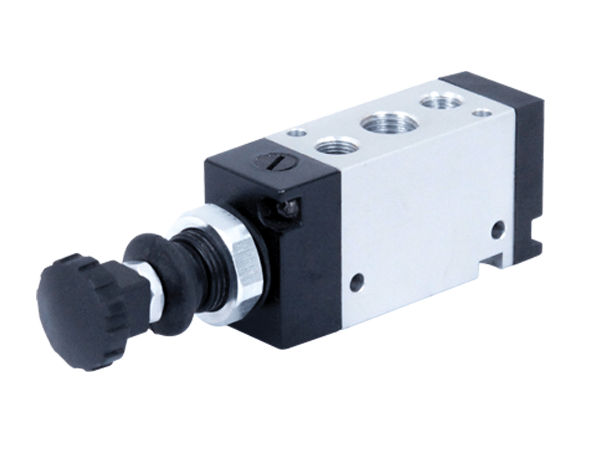
Mechanical pneumatic valves are driven by mechanical power, for instance, utilizing a switch. There are numerous choices, for instance in 90-degree steps or a quarter turn renditions. Most frequently, they perform basic assignments (opening/shutting).


Notwithstanding the primary classifications, gadgets with a joined control are likewise produced. In certain valves, the control performs physically, for instance, simply utilizing a button.

Pneumatic Valve Types and Plan


The primary qualities that decide the sort of valve are various flowlines (ports) and conceivable component positions. These numbers are in every case demonstrated in the valve attributes.


For instance, a 4/2 pneumatic valve implies that it has four ports and two potential spool positions. Pneumatic valve wiring chart photograph


The utilization of the sign between the numbers isn't managed and it very well might be picked by a maker (4/3, 4-3, and so forth.). The most well-known models in pneumatic frameworks are valves with a 3/2 and 5/2 plan.


Every one of the openings and its groups is intended for explicit capabilities. Their primary design is to withdraw and broaden the medium and exhaust.


There are two sorts of valves as per the underlying place of the spool compared with the flow:


  • Ordinarily open

  • Ordinarily shut


An ordinarily shut valve intends that in the underlying state its segment is shut (wind current is obstructed). At the point when a sign is given, the valve opens, and in this manner opens the segment of the line.


A regularly open valve at first has an open flowline (wind current moves uninhibitedly) and closes it when a sign is given.


Likewise, gadgets might vary in the manner in which they return to their unique situation after finishing the work. There are two types: Spool valve scheme


  • Monostable

  • Bistable


Mono-stable valves return to their unique situation after the end of the sign. This is accomplished utilizing a bring spring back. They need one outer sign to work.


Bi-stable valves stay in the situation in which the outer sign stopped and don't get back to their unique position. To back them to their underlying position, an extraordinary return signal is required. In this manner, such classification requires two outer signs to work (on/off).

Pneumatic Flow Control Valve Working Standard


The primary errand of the pneumatic merchant is to change the cross-segment in the pneumatic pipeline, which permits changing and coordinating the flow.


As referenced over, this activity is performed by the locking and managing components.

There are two sorts of segment changes: discrete (on/off) or easily consistent (with customizable boundaries).


Spool


Sliding spool valves are intended to make more complicated flow control tasks. That gear can be utilized in cross-segments with a high flow rate and a muddled circuit. Spool valves can work in frameworks with 4-5 working lines, as well as in less complex circuits, because of their flexibility. The spool moves opposite the flow pivot.


End: pneumatic valves are the primary controllers of compacted air and gas flows in pneumatic frameworks. Because of their wide assortment, they can perform different confounded and straightforward undertakings in the flow heading control. Every one of the valves has its extraordinary plan.


Airmax Pneumatics Ltd is one of the best & experienced pneumatic valve manufacturers in India. Airmax pneumatics have a wide range of pneumatic cylinders, valves & accessories.

Understanding the Basics of Pneumatic Valves: A Comprehensive Guide

Embark on a journey into the fascinating realm of pneumatic systems, where the power of compressed air drives a myriad of industrial applica...