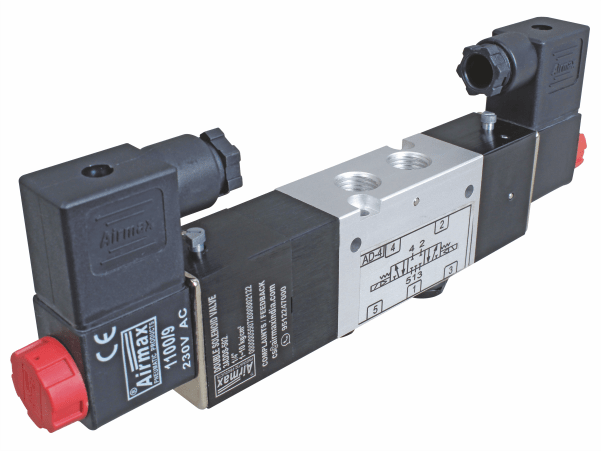
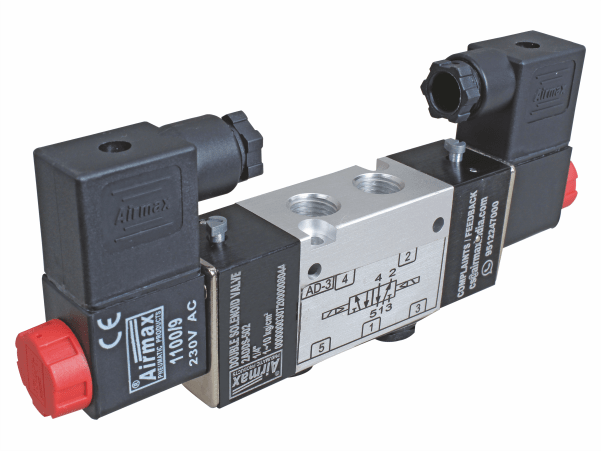
Showing posts with label directional control valve supplier. Show all posts

Friday, 9 June 2023

A Comprehensive Guide to Understanding Directional Control Valves in Industry

Directional control valves are a crucial component in various industrial systems, providing control over the flow and direction of fluids or gases. These valves play a vital role in ensuring the proper functioning of hydraulic and pneumatic systems, making them essential for a wide range of applications. In this comprehensive guide, we will explore the different types of directional control valves, their operating principles, applications, factors to consider when choosing them, installation and maintenance best practices, and more.

Directional control valves, also known as switching valves or simply control valves, are used to control the flow of fluid or gas in a system. They determine the direction of the flow and can initiate or stop the movement of actuators, such as cylinders or motors. By understanding how directional control valves work and their applications, professionals in the industrial sector can optimize system performance and ensure efficient operation.

Types of Directional Control Valves

Spool Valves


One common type of directional control valve is the spool valve. Spool valves consist of a cylindrical spool with different ports and lands. By shifting the spool within the valve body, the flow path can be redirected, allowing or blocking fluid or gas passage. The number of lands and ports determines the valve's functionality, such as 2-way, 3-way, 4-way, or 5-way control.

Rotary Valves


Another type of directional control valve is the rotary valve. As the name suggests, these valves use a rotating mechanism to control the flow direction. Rotary valves are commonly used in applications where a continuous rotation is required, such as motor control or machine tools. They are known for their durability and precise control.

Poppet Valves


Poppet valves are widely used in hydraulic systems. They consist of a poppet, a movable disk that blocks or allows the flow of fluid or gas through the valve. Poppet valves are known for their high-pressure capabilities and quick response time, making them suitable for applications that require rapid changes in flow direction.

Operating Principles of Directional Control Valves


Directional control valves can be categorized based on the number of ports and positions they offer. Let's explore the operating principles of some common configurations:

2-way Valves


2-way valves, also known as 2/2 valves, have two ports and two positions. They can either block or allow flow through a single inlet and outlet. These valves are commonly used for on/off applications, where the fluid or gas flow needs to be either completely stopped or enabled.

3-way Valves


3-way valves, or 3/2 valves, have three ports and two positions. They can control the flow between one inlet and two outlets or vice versa. These valves are often used in applications requiring directional control, such as controlling the extension and retraction of a single-acting cylinder.

4-way Valves


4-way valves, also known as 4/2 valves, have four ports and two positions. They can control the flow between two inlets and two outlets. These valves are commonly used in double-acting cylinder applications, allowing for precise control over both the extension and retraction of the cylinder.

5-way Valves


5-way valves, or 5/2 valves, have five ports and two positions. They can control the flow between two inlets and three outlets or vice versa. These valves are often used in more complex pneumatic systems, enabling the control of multiple actuators or different flow paths simultaneously.


Applications of Directional Control Valves


Directional control valves find extensive use in various industries and applications, including hydraulic systems, pneumatic systems, and industrial machinery. Let's take a closer look at each of these applications:

Hydraulic Systems


In hydraulic systems, directional control valves regulate the flow and direction of hydraulic fluid, which is typically oil-based. They are essential components in hydraulic machinery, such as excavators, loaders, and hydraulic presses. By controlling the hydraulic fluid's flow, these valves enable the precise movement of actuators, allowing for efficient force transmission.

Pneumatic Systems


Pneumatic systems, which use compressed air or gas to transmit power, rely on directional control valves for effective control over the flow of compressed air. These valves play a vital role in pneumatic machinery, such as automation equipment, robotics, and assembly lines. By directing the airflow, directional control valves enable precise positioning, gripping, and other pneumatic operations.

Industrial Machinery


Directional control valves are widely used in various types of industrial machinery, including manufacturing equipment, material handling systems, and processing plants. They provide the necessary control and automation, allowing machines to perform complex operations with precision. Whether it's controlling the movement of a conveyor belt or the operation of a robotic arm, directional control valves ensure smooth and reliable performance.


Factors to Consider When Choosing Directional Control Valves

When selecting directional control valves for a particular application, several factors should be taken into account. Let's explore the key considerations:

Flow Rate and Pressure Requirements


One crucial factor is the required flow rate and pressure of the fluid or gas in the system. Valves must be selected based on their capacity to handle the anticipated flow rate and pressure levels. Choosing valves that are undersized or not rated for the required pressure can lead to inefficient operation or even valve failure.

Actuation Methods


Directional control valves can be actuated manually, mechanically, electrically, or pneumatically. The chosen actuation method depends on the application's requirements, such as the need for remote control, rapid response, or automation. The actuation method should align with the overall system design and control strategy.

Environmental Considerations


Consideration should be given to the operating environment of the valves. Factors such as temperature, humidity, chemical exposure, and vibration levels can affect the valve's performance and lifespan. Selecting valves with suitable materials, seals, and coatings ensures reliable operation in the given environmental conditions.

Installation and Maintenance of Directional Control Valves


Proper installation and maintenance practices are crucial for the optimal performance and longevity of directional control valves. Here are some best practices to follow:

Proper Positioning and Alignment


During installation, it is essential to position the valves correctly and align them with the associated piping or tubing. Proper alignment ensures smooth flow transitions, minimizes pressure losses, and reduces the risk of valve damage or leakage. Following the manufacturer's guidelines and using appropriate mounting hardware is crucial for secure and precise installation.

Regular Inspection and Cleaning


Regular inspection and cleaning are necessary to keep directional control valves in optimal condition. Inspecting valves for signs of wear, leakage, or blockages can help identify potential issues before they escalate. Regular cleaning removes dirt, debris, and contaminants that can hinder valve operation. It's important to follow the recommended maintenance schedule and use appropriate cleaning methods and agents.

Troubleshooting Common Issues


Inevitably, issues may arise with directional control valves during their lifespan. It is essential to have troubleshooting procedures in place to diagnose and resolve common problems. Issues such as valve sticking, leakage, or erratic actuation can often be traced back to specific causes, such as contamination, inadequate lubrication, or worn-out seals. By identifying and addressing these issues promptly, system downtime can be minimized.

Best Practices for Using Directional Control Valves


To ensure optimal performance and safety when using directional control valves, consider the following best practices:


Understanding Valve Symbols and Diagrams


Valve symbols and diagrams are standardized representations that convey crucial information about a valve's functionality and operation. Familiarize yourself with these symbols to understand how different valves are controlled, the flow paths they enable, and their position in the system. This knowledge helps in system design, troubleshooting, and maintenance.


Implementing Safety Measures


Directional control valves are often part of systems that involve high pressures, fast-moving components, or hazardous materials. It is essential to implement appropriate safety measures, such as pressure relief valves, emergency stop systems, or guarding, to protect personnel and equipment. Adhering to safety regulations and guidelines is paramount in industrial settings.


Proper System Design and Optimization


Designing a system with proper sizing, appropriate valve selection, and efficient plumbing layout can contribute to overall system performance. By optimizing the system design, unnecessary pressure losses, flow restrictions, or inefficiencies can be minimized. Seek guidance from experienced professionals or consult industry standards to ensure the best system design for your specific application.


Directional control valves are critical components in industrial systems, providing precise control over fluid and gas flow. By understanding the different types of directional control valves, their operating principles, applications, selection criteria, and best practices for installation and maintenance, professionals can optimize system performance, enhance safety, and maximize productivity. Whether it's hydraulic systems, pneumatic systems, or industrial machinery, directional control valves play a vital role in ensuring efficient operation and control.

Tuesday, 16 May 2023

The Different Types of Directional Control Valves and Their Uses

Directional control valves are crucial in regulating fluid flow within a hydraulic or pneumatic system. They control fluid flow's direction, start, and stop, enabling the smooth operation of various industrial processes. Several directional control valves are available, each designed to meet specific system requirements. Let's explore some of the common types:


  • Spool valves: These valves consist of a cylindrical spool that slides within a housing. By positioning the spool, the flow path can be controlled, allowing fluid to flow through different ports.


  • Poppet valves: Poppet valves use a disc or a cone-shaped element that opens or closes to regulate flow. They are known for their quick response and high flow capacity, making them suitable for high-pressure applications.


  • Rotary valves: As the name suggests, these valves use a rotary motion to control fluid flow. They typically have a cylindrical rotor with channels that align with various ports, directing the flow accordingly.


  • Ball valves: Ball valves use a rotating ball with a bore to control the flow. When the ball is aligned with the port, fluid can flow; when it is rotated, the flow is blocked.


  • Sliding plate valves: These valves control the flow path using a sliding plate. The plate has slots or holes that align with the ports to allow fluid flow.


  • Proportional valves: Directional control valves regulate flow based on a variable input, such as an electrical or pressure signal. They provide precise control over flow rates, making them suitable for applications that require fine adjustments.


Directional control valves are vital in various industries, including manufacturing, construction, and transportation. They ensure the efficient and safe operation of hydraulic and pneumatic systems, enabling precise control over fluid flow and direction.


In summary, directional control valves are available in different types, including spool, poppet, rotary, ball, sliding plate, and proportional valves. Each type offers unique features and advantages, catering to specific system requirements. Whether it's controlling the movement of actuators or regulating flow in complex systems, directional control valves play a crucial role in maintaining smooth operations. So, to optimize your hydraulic or pneumatic system, choosing the right directional control valve is essential to ensure optimal performance.


How Do Directional Control Valves Work?


Directional control valves are vital components in hydraulic systems that regulate the flow of fluids, such as oil or water, in a desired direction. They play a crucial role in determining the path and timing of fluid flow, allowing for precise control over the operation of various hydraulic actuators. Here's an overview of how directional control valves work:


  • Purpose: Directional control valves are designed to direct fluid flow from an input port to one or more output ports, selectively allowing or blocking the passage of fluid based on the valve's position.


  • Spool Design: Most directional control valves employ a spool mechanism that slides within a housing, controlling the flow passages and directing fluid. The spool has different landings and channels that correspond to various flow paths.


  • Positions: Directional control valves typically have two or more positions, such as "open" and "closed." In the open position, fluid can flow through specific channels, while in the closed position, the flow is blocked.


  • Actuation Methods: These valves can be actuated mechanically, electrically, pneumatically, or hydraulically, depending on the specific application. The actuator moves the spool to change the valve's position and control the fluid flow.


  • Control Mechanisms: Directional control valves can be manually operated or controlled by automated systems, such as solenoids, hydraulic pilots, or computerized control units, which enable precise and responsive control over the valve's position.


  • Applications: Directional control valves find extensive use in various industries, including manufacturing, construction, agriculture, and automotive, where they control the movement of cylinders, motors, and other hydraulic components.


Directional control valves are essential for achieving efficient and controlled hydraulic operations. By precisely directing the fluid flow, these valves enable the proper functioning of hydraulic systems, ensuring smooth and reliable operation. The directional control valve is critical for controlling fluid power in simple or complex systems.


When Should You Use A Directional Control Valve? 


A directional control valve is an essential component in various hydraulic and pneumatic systems, allowing for the control and regulation of fluid flow. Understanding when to use a directional control valve is crucial for optimizing the performance and efficiency of your system. Here are some key situations where the implementation of a directional control valve is necessary:


  • Changing fluid direction: Directional control valves are primarily used to control the flow direction of fluids in hydraulic and pneumatic systems. When you need to alter the fluid flow path, such as redirecting it from one actuator to another or reversing the direction of a cylinder, a directional control valve is indispensable.


  • Controlling fluid flow: Directional control valves enable precise regulation of fluid flow rates. Whether you need to increase, decrease, or completely shut off the flow, these valves offer the flexibility to achieve accurate control. This feature is particularly useful in applications requiring controlled movement or speed adjustment.


  • Actuator selection: Directional control valves allow you to choose which actuators are active in your system. Using the valve to control which actuators receive fluid flow, you can selectively activate or deactivate specific components according to your system requirements.


  • Safety and emergencies: Directional control valves are instrumental in emergency stop scenarios and safety measures. Using these valves, you can quickly shut off the fluid flow to specific system parts, isolating potential hazards or preventing further damage.


  • Sequential operations: Directional control valves play a critical role in systems that require a specific sequence of events or operations. They enable the proper sequencing of actuators, ensuring that each actuator engages or disengages in the correct order for optimal performance.


In summary, a directional control valve is essential when changing fluid direction, controlling fluid flow, selecting actuators, addressing safety concerns, or performing sequential operations in your hydraulic or pneumatic system. Incorporating this valve can enhance your system's overall efficiency, functionality, and safety.


The Benefits of Using a Directional Control Valve 


A directional control valve is a critical component in various industrial and manufacturing applications, offering precise control over the direction and flow of fluids or gasses. Whether it's hydraulic, pneumatic, or other fluid power systems, directional control valves provide numerous benefits that enhance efficiency and performance. Here are some key advantages of using a directional control valve:


  • Enhanced Control: Directional control valves allow operators to regulate the flow of fluids or gasses, enabling precise control over the direction and speed of actuators. This feature ensures accurate movement and positioning, improving productivity and operational efficiency.


  • Versatility: These valves come in various configurations, including spool, poppet, and rotary valves, offering versatility to meet specific system requirements. They can be customized with different port sizes, flow rates, and pressure ratings, allowing seamless integration into diverse applications.


  • Safety and Reliability: Directional control valves are crucial in ensuring the safety and reliability of hydraulic and pneumatic systems. They enable emergency shutdowns, prevent system overloads, and regulate pressure levels, protecting equipment and minimizing the risk of accidents.


  • Energy Efficiency: Directional control valves optimize energy usage in fluid power systems by controlling the flow direction and speed. They allow for precise activation and deactivation of actuators, reducing unnecessary energy consumption and improving overall system efficiency.


  • Simplified Maintenance: Directional control valves are designed for easy maintenance and replacement. Their modular construction and standardized interfaces enable quick troubleshooting and part replacements, minimizing downtime and enhancing system reliability.


In summary, directional control valves offer a range of benefits, including enhanced control, versatility, safety, energy efficiency, and simplified maintenance. These advantages make them indispensable components in fluid power systems across various industries, ensuring optimal performance and productivity. Incorporating a directional control valve into your system can significantly enhance efficiency and effectiveness.


Directions Control Valve FAQs 


Are you looking for answers to common questions about directional control valves? Look no further! This article has compiled a list of frequently asked questions (FAQs) to help you better understand directional control valves. Whether you are a beginner or an experienced professional, these FAQs will provide valuable insights into this essential component of fluid power systems.


Here are some of the most commonly asked questions about directional control valves:


What is a directional control valve? 


A directional control valve is used to control the direction of fluid flow in a hydraulic or pneumatic system.


How does a directional control valve work? 


A directional control valve typically consists of a movable spool or poppet that controls fluid flow through different ports to change the direction of fluid flow.


What are the applications of directional control valves? 


Directional control valves are widely used in various industries such as manufacturing, construction, agriculture, and transportation for controlling the movement of actuators, such as cylinders and motors.


What are the types of directional control valves? 


Different types of directional control valves, including spool, poppet, and rotary valves, each with advantages and applications.


What factors should I consider when selecting a directional control valve?


Factors to consider include the fluid type, flow rate, pressure rating, number of ports and positions, and the required actuator operation.


What are the common problems faced with directional control valves? 


Common issues include leakage, sticking or jamming of the spool, insufficient flow, and erratic valve operation.


By understanding these FAQs, you can better understand directional control valves and their importance in fluid power systems. Consult with experts or manufacturers when selecting and troubleshooting directional control valves to ensure optimal performance and safety.

Thursday, 26 January 2023

Directional Control Valve Basics: How To Choose The Right One

Directional control valves are an essential part of any pneumatic system. With so many different types and sizes available, how do you decide which is right for you?


In this blog post, we'll cover the basics of directional control valves, including the three main types of valves and how to properly size and select a valve for your system. We'll also provide some tips on how to troubleshoot common valve problems.


By the end of this post, you should have a better understanding of how to choose the right directional control valve for your application. So let's get started!

Introduction


A directional control valve is a type of valve used to control the direction of fluid flow. The most common type of directional control valve is the solenoid-operated valve, which uses an electromagnet to open or close a passageway. Directional control valves are used in many applications, including hydraulic systems, pneumatic systems, and water systems. 


Directional control valves are classified according to the number of ports and the number of positions. A port is an opening in the body of the valve through which fluid can enter or exit. A position is the number of possible states that the valve can be in. For example, a two-position, three-port directional control valve has two positions (open and closed) and three ports (inlet, outlet, and exhaust). 


The most common type of directional control valve is the solenoid-operated valve. Solenoid-operated valves use an electromagnet to open or close a passageway. When the electromagnet is energized, it creates a magnetic field that attracts a movable armature, which opens the passageway. When the electromagnet is de-energized, the magnetic field is removed and the armature returns to its original position, closing the passageway. 


Directional control valves are used in many applications, including hydraulic systems, pneumatic systems, and water systems. Hydraulic systems use fluid power to drive machinery. Pneumatic systems use compressed air to drive machinery. Water systems use water pressure to drive machinery. 


Directional control valves are essential components in many types of machinery. They are used to control the direction of fluid flow to operate the machinery. Without directional control valves, hydraulic systems, pneumatic systems, and water systems would not be able to function properly.

The Three Valve Types 


There are three main types of directional control valves: spool, plug, and ball. It's important to choose the right one for your application, as each has its advantages and disadvantages.


Spool valves are the most common type of directional control valve. They are simple and reliable and can be used for a wide range of applications. They are not suitable for high-pressure applications, however.


Plug valves are often used in high-pressure applications, as they can withstand higher pressures than spool valves. However, they are more complex than spool valves and can be more difficult to maintain.


Ball valves are the most versatile type of directional control valve. They can be used for both low-pressure and high-pressure applications, and are available in a wide range of sizes. However, they are more complex than spool valves and can be more difficult to maintain.

Deciding on the Right Valve 


When it comes to deciding on the right valve, there are a few factors to consider. The first is the application or purpose for which the valve will be used. Will it be used for high-pressure applications? If so, a plug valve may be the best option. If not, a spool valve may suffice. Another factor to consider is the environment in which the valve will be used. Will it be exposed to harsh chemicals? If so, a ball valve may be the best option due to its corrosion-resistant properties. The final factor to consider is cost. Ball valves are generally the most expensive type of directional control valve, followed by plug valves, with spool valves being the most economical option.


Once you've considered all of these factors, you should have a good idea of which type of directional control valve is right for your needs. If you're still unsure, consult with a professional who can help you make a decision.

Valve Sizing and Operation 


There are a few things to keep in mind when sizing and operating a directional control valve. The first is the flow rate of the fluid being directed. The second is the pressure of the fluid. The final thing to consider is the type of material the valve is made of. 


The most common type of directional control valve is the spool valve. Spool valves are simple and reliable, but not suitable for high-pressure applications. Plug valves can withstand higher pressures than spool valves, but are more complex. Ball valves are the most versatile type of directional control valve, but also the most complex.


When deciding on the right directional control valve for your needs, keep in mind the purpose for which it will be used. Another factor to consider is the environment in which it will be used. The final factor to consider is cost.

Properly Selecting a Directional Control Valve 


There are a few factors to consider when deciding on the right directional control valve for your needs. The first is the application or purpose for which the valve will be used. Another factor to consider is the environment in which the valve will be used. The final factor to consider is cost. Once you've considered all of these factors, you should have a good idea of which type of valve is right for your needs.


The application or purpose for which the valve will be used is an important factor to consider when choosing a directional control valve. There are many different types of valves, each with its strengths and weaknesses. If you know what you need the valve for, it will be much easier to choose the right one. 


The environment in which the valve will be used is another important factor to consider. Some valves are designed for use in harsh environments, while others are not. If you know where and how the valve will be used, it will be much easier to choose one that is suitable for your needs. 


Cost is another important factor to consider when choosing a directional control valve. There are many different types of valves, each with its price tag. If you know how much you can afford to spend, it will be much easier to choose the right one for your needs.

Conclusion


There are a few factors to consider when deciding on the right directional control valve for your needs. The first is the application or purpose for which the valve will be used. Another factor to consider is the environment in which the valve will be used. The final factor to consider is cost. Once you've considered all of these factors, you should have a good idea of which type of valve is right for your needs.

Thursday, 9 September 2021

Directional Control Valves Explained

Pneumatic directional valves area unit utilized to start, stop, or primarily amendment the bearing of the breeze stream as incontestible by the requirements in stuffed air structures. Compacted air {is utilized |is employed|is used} by totally different relationships for operating their gear and mechanical gatherings that area unit utilized in their creation cycle. 


To see however the directional control valve supplier is employed, it's essential to understand the varied sorts of directional valves open searching. 


Directional Control Valves area unit traditional for an associate assortment of utilization, affiliations might utilize a solitary variety of valves for a selected enterprise, or they'll utilize a mix of various sorts of Directional Control Valves to try to do a particular job. 


These plans are isolated into plans, almost like a spool, slippery seal, poppet, stomach, and turning. Out of those plans, the poppet valve and also the spool area unit are the foremost by and huge saw ones. 


Spool Directional Control Valve 


The spool valve is of 2 types, lapped and supported. 


Lapped spool Directional Control Valve is relied upon to administer shoppers the stream set up that they have in by a protracted shot the bulk of the applications. The low extent of outdoor power is required for moving amicability and this nature of the spool works thereon to have an effect on the pool. 


Additionally, throughout a moving stroke, the spool is needed to remain reliable. This works thereon for the spool valve to end the stroke befittingly once the unquestionable is taken out. 


Upheld spool Directional Control Valves are part of an associate elastic bandage seal that pushes against the strain to ensure repair. they're relied upon to be utilized in 3, position-based applications and award you to upset the breezy that comes from the exhaust once the stream style is modified. 


They are soil tolerant and once faithfully lubed up, will continue going for a protracted time to come back. 


The two kinds of spool valves area unit open in three and 4-manner plans. A 3-way spool valve will in like means be utilized as a 2-course spool primarily by preventing one port. 


Booked repairs are that the best thanks to contending with a guarantee that your Directional Control Valves work on their best. allow North American countries to visualize a chunk of the items you'll do to ensure their impeccable execution. 


You should set up the help and oil to ensure that the valve is in its ideal condition. The individual in charge of facilitating needs to have pleasant data and need to follow the dates and assignments performed on the valve. 


Airmax Pneumatics Ltd may be a primary Directional Control Valve producer and businessperson in India. they're associate overall businessperson of gas instrumentality and elements to over twenty countries.

Tuesday, 2 March 2021

The Directional Control Valves Supplier

Directional control valves are one of the premier significant components of hydraulic and pneumatic hardware. Directional control valves permit liquid to stream into various ways from single or numerous sources. They're regularly produced using a spool inside a precisely or electrically controlled chamber. The development of the spool checks or allows development, subsequently controlling the hydraulic stream.

Hydraulic Valves 

Hydraulic frameworks routinely utilize directional control valves, pressure help valves, and pilot worked check valves when actuators or hydraulic engines are worked. 

Hydraulic framework segments are utilized in shaping hydraulic circuits. The upside of a compatible arrangement of valves is that they are typical all through the planet and might be added to or supplanted by most valve producers.

Hydraulic frameworks containing: 


Solenoid Directional Control Valves, which have a four-landed control spool. this is frequently where solenoid curls move the situation of the spool so on modify the bearing of the hydraulic oil stream. 


Pressing factor Relief Valves, measured valves which are sandwiched in the middle of solenoid valves. These hydraulic pressing factors help valves affable to check the pressing factor inside the control line. 


Stream Control Valves, adjusted to deal with the move through these valve modules. they will be intended to manage stream one or the other way through the usage of a seal plate sandwiched into the valve. 


The pilot worked check valve, containing pressure inside the assistance ports might be a typical essential to prevent hydraulic chambers from development. 


This scope of valves is regularly fitted with the most extreme certainty, as all are fit for stream paces of 60 liters/minute and are appraised to a pressing factor of 320 bar. Carefully holding fast to ISO4401-03-02-0-94 and DIN 240 340-A6. 


Airmax pneumatics ltd is one of the main pneumatic directional control valve suppliers. They have a wide scope of pneumatic items and roto seals. They additionally trade their items seaward and have a long chain of fulfilled clients.


Understanding the Basics of Pneumatic Valves: A Comprehensive Guide

Embark on a journey into the fascinating realm of pneumatic systems, where the power of compressed air drives a myriad of industrial applica...