Friday, 24 February 2023

How The FRL Unit Works: A Comprehensive Guide

You're in the right place if you're wondering how the FRL unit works. This comprehensive guide will explain everything you need about this essential equipment.

You'll learn what the FRL unit is, how it works, and its benefits. We'll also give you tips on getting the most out of your FRL unit. So let's get started!

Introduction


How does the FRL unit work? This comprehensive guide will provide all the information you need about this essential piece of equipment.


The FRL unit is an integral part of any compressed air system. It removes water, oil, and other contaminants from the air before entering the system. This ensures that the air is clean and dry and prevents damage to the equipment.


The FRL unit consists of three main components: an air filter, a regulator, and a lubricator. The air filter removes particulates from the air while the regulator controls the pressure of the air entering the system. The lubricator adds a small amount of oil to the atmosphere to prevent wear on the system's moving parts.


These three components keep your compressed air system running smoothly and efficiently.

What is the FRL unit?


The FRL unit is an air compressor commonly used in the manufacturing and automotive industries. It is a versatile piece of equipment that can be used for various applications, including pneumatic tools, painting, and sanding. The FRL unit consists of four main components: an air tank, an air compressor, a pressure regulator, and a filter.
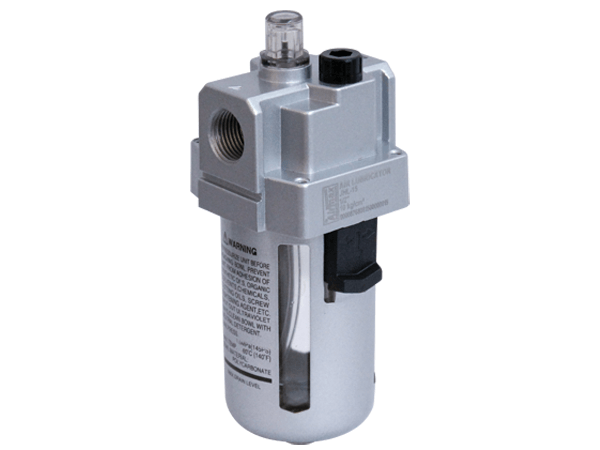

How does the FRL unit work?


The FRL unit is an air compressor commonly used in the manufacturing and automotive industries. It consists of four main components: an air tank, an air compressor, a pressure regulator, and a filter. The FRL unit is a versatile piece of equipment that can be used for various applications, including pneumatic tools, painting, and sanding.

How does the FRL unit work?


The FRL unit compresses air and then stores it in an air tank. The air tank holds the compressed air until it is needed. When the air is required, the air compressor will turn on and start pumping air into the tank. The pressure regulator will then regulate the pressure of the air in the tank so that it is at the correct pressure for the application it is being used for. The filter will remove contaminants from the air before entering the tank.

What are the benefits of the FRL unit?


There are many benefits to using an FRL unit. One advantage is that it can help prolong your air compressor's life. By regulating the air pressure in the tank, the air compressor does not have to work as hard and will not overheat. This can help to increase the lifespan of your air compressor. Another benefit of the FRL unit is that it can help improve your compressed air quality. The filter will remove any contaminants from the air before it enters the tank, which will help keep your compressed air clean and debris-free.

How can I get the most out of the FRL unit?


You can do a few things to get the most out of your FRL unit. 


First, make sure that you properly maintain your unit. This includes regularly checking the air filter and replacing it when necessary. It's also important to check the compressor's oil level and change the oil when needed. 


Second, use the proper size air tank for your application. If you're using the unit for pneumatic tools, you'll need a larger tank than if you're using it for painting. 


Third, don't use more pressure than is necessary. The pressure regulator on the unit will keep the air at the correct pressure for your application, so there's no need to increase it. Doing so could damage your equipment. 


Fourth, take advantage of the unit's versatility. The FRL unit can be used for various applications, so ensure you use it to its full potential. 


Following these tips lets you get the most out of your FRL unit and ensure it lasts for years.

Conclusion


The FRL unit is versatile and essential equipment for many industries. It is crucial to properly maintain the unit and use the proper size air tank for your application. By following these tips, you can get the most out of your FRL unit and ensure it lasts many years.

Thursday, 23 February 2023

Picking The Right Pneumatic Cylinder: A Comprehensive Guide

When it comes to selecting the right pneumatic cylinder for a particular application, a few factors need to be taken into account. In this comprehensive guide, we will cover everything you need to know about pneumatic cylinders, from the different types available to their advantages and disadvantages. We will also provide some tips on installing and maintaining your pneumatic cylinder to ensure optimal performance.

What is a pneumatic cylinder?


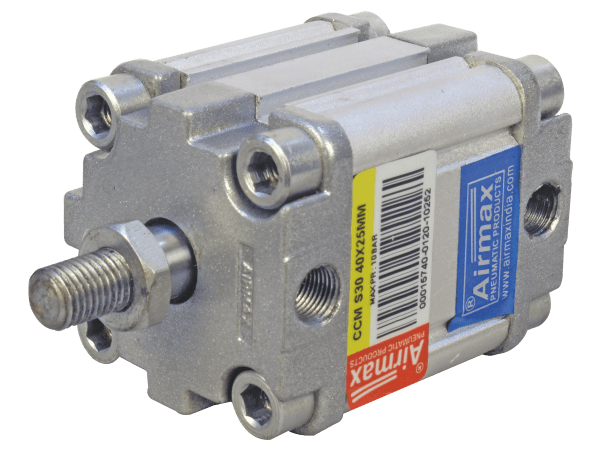
A pneumatic cylinder types is a mechanical device that uses compressed air to generate linear force and motion. The air pressure on the piston inside the cylinder causes the point.


Pneumatic cylinders are used in various applications, from simple household tasks like opening and closing doors to more complex industrial applications like moving heavy machinery or control valves.


There are two main types of pneumatic cylinders: single-acting and double-acting. Single-acting cylinders have a piston moved by the air pressure on one side. Double-acting cylinders have a piston driven by the air's force on both sides.


Pneumatic cylinders are available in various sizes and capacities, from small cylinders that generate only a few pounds of force to large cylinders that create tens of thousands of pounds of force.


The types of pneumatic cylinders 


Three main types of pneumatic cylinders are single-acting, double-acting, and diaphragm. 


Single-acting cylinders have a piston pushed in one direction by atmospheric pressure and pulled back by a spring. This type of cylinder is typically used for applications requiring low force, such as door closers. 


Double-acting cylinders have a piston that is pushed and pulled by atmospheric pressure. This type of cylinder is more versatile than a single-acting cylinder and can be used for applications that require either high or low force. 


Diaphragm cylinders have a flexible diaphragm that expands and contracts to move the piston. This type of cylinder is typically used for applications requiring precise control, such as robotics.

What factors to consider when selecting a pneumatic cylinder 


When selecting a pneumatic cylinder, there are a few key factors to consider to ensure you choose the best one for your specific application. 


The first factor to consider is what type of force is required. Single-acting cylinders are typically used for lower force applications, while double-acting cylinders can be used for high or low force applications. Diaphragm cylinders are typically used for applications requiring precise control. 


The second factor to consider is the size of the bore. The bore is the diameter of the piston and determines how much air is displaced with each stroke. A larger bore will replace more air, which can be helpful for high-force applications. 


The third factor to consider is the material the cylinder is made from. Common materials include aluminum, stainless steel, and brass. Each material has its benefits and drawbacks, so it's essential to choose one that will be compatible with the rest of your system and hold up under the conditions it will be subjected to. 


Finally, you'll need to decide on a mounting style. The three most common styles are flange, trunnion, and clevis. The specific requirements of your application will determine the mounting style you choose. 


By taking all of these factors into consideration, you can be sure to select the best pneumatic cylinder for your needs.

Advantages and disadvantages of pneumatic cylinders


Pneumatic cylinders have several advantages over other types of cylinders. They are typically more compact, lighter in weight, and less expensive. Pneumatic cylinders also have a higher power-to-weight ratio than hydraulic cylinders.


Pneumatic cylinders do have some disadvantages, however. They are not as durable as hydraulic cylinders and can be damaged by moisture and corrosion. They also require a constant supply of compressed air, which can be expensive.

How to install a pneumatic cylinder 


Installing a pneumatic cylinder is a relatively simple process, but there are a few things to remember to ensure it is installed correctly:


  • Ensure that the mounting holes on the cylinder are aligned with the mounting holes on the application.

  • Insert the piston rod into the application and secure it with the retaining ring.

  • Tighten all of the mounting bolts to secure the cylinder in place.


If you follow these simple steps, you can be sure your pneumatic cylinder will be installed correctly and provide years of reliable service.

How to maintain a pneumatic cylinder


Pneumatic cylinders are mechanical devices that use compressed air to generate linear force and motion. They are often used in industrial and manufacturing applications where their compact size, lightweight, and relatively low cost make them an attractive option. However, hydraulic cylinders are less durable than pneumatic cylinders and require more frequent maintenance.


To keep your pneumatic cylinder in good working condition, it is essential to perform regular maintenance. This includes inspecting the cylinder for leaks, damage, or wear; lubricating the moving parts; and keeping the air filter clean. In addition, it is essential to check the pressure regularly to ensure it is within the specified range for your particular application.


If you notice any problems with your pneumatic cylinder, it must be repaired or replaced as soon as possible. Failure to do so could damage other equipment parts or even cause personal injury.

Wednesday, 22 February 2023

How The Rotary Joint Works: A Comprehensive Guide

If you've ever wondered how those nifty little rotary joints work, this blog post is for you. We'll be taking a comprehensive look at rotary joints, from how they work to the benefits of using them, and everything in between. So whether you're considering using a rotary joint for your next project or you're just curious about how they work, read on!

How does a rotary joint work? 


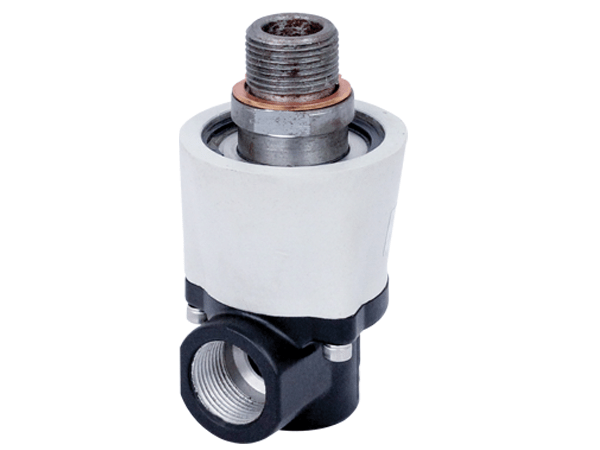
A rotary joint, also known as a swivel, is a mechanical device that allows fluid or gas to flow through it while it rotates. Rotary joints are used in a variety of applications, including hydraulic systems, robotics, and semiconductor manufacturing. 


Rotary joints are made up of two main parts: the body and the seal. The body is typically made of metal, and it houses the seal. The seal is what prevents fluid or gas from leaking out of the joint as it rotates. 


There are two types of seals that are commonly used in rotary joints: O-rings and lip seals. O-rings are made of elastomeric materials, such as rubber, and they are designed to create a static seal between two surfaces. Lip seals are made of metal or plastic, and they have a lip that presses against the inner surface of the body to create a dynamic seal. 


Rotary joints rely on either pressurized fluid or gas to keep them sealed. When pressurized fluid or gas is used, it is typically referred to as a hydraulically actuated rotary joint. When pressurized air or vacuum is used, it is typically referred to as a pneumatically actuated rotary joint. 


Rotary joints can be classified based on the number of channels that they have. Single-channel rotary joints have one passage for fluid or gas, while multi-channel rotary joints have multiple passages. Multi-channel rotary joints are typically used when there is a need to transfer multiple fluids or gasses simultaneously. 


The size of the rotating shaft also plays a role in how rotary joints are classified. Small-diameter rotary joints have shafts that are less than 5 mm in diameter, while large-diameter rotary joints have shafts that are greater than 5 mm in diameter.


What are the benefits of using a rotary joint? 


A rotary joint, also known as a swivel joint or rotary union, is a mechanical device that allows fluid (usually hydraulic oil, air, coolant, or steam) to flow into and out of a rotating component while sealing against leaks. Rotary joints are commonly used in applications such as construction and mining equipment, robotics, automotive manufacturing assembly lines, aerospace components, and military hardware.


There are many benefits of using a rotary joint over other types of fluid-handling devices. Rotary joints provide a leak-free seal that can withstand high pressures and temperatures. They are also low maintenance and have a long lifespan. Additionally, rotary joints allow for smooth and precise movement of fluidic components, which is critical in many applications such as robotics and automotive assembly lines.


How do you choose the right rotary joint for your application? 


When choosing a rotary joint for your application, there are several factors to consider. The most important factor is the type of fluid that will be flowing through the joint. Rotary joints are available in a variety of materials that are compatible with different fluids, such as water, oil, air, and coolant. Another important factor to consider is the pressure and temperature of the fluid. Rotary joints are rated for different maximum pressures and temperatures, so it is important to choose a joint that can withstand the conditions of your application. Additionally, you should consider the speed at which the fluid will be flowing through the joint. Rotary joints are available in different designs that allow for different flow rates. Finally, you should consider the size and shape of the rotary joint. Rotary joints come in a variety of sizes and shapes to fit different applications.


When selecting a rotary joint for your application, it is important to work with an experienced supplier who can help you choose the right product for your specific needs. at Airmax Pneumatic Company, we have over Airmax Pneumatic years of experience in supplying rotary joints to a variety of industries. We can help you select the right rotary joint for your application and provide expert advice on installation and maintenance. Contact us today to learn more about our products and services.


How do you install a rotary joint? 


Installing a rotary joint is not a difficult task, but there are a few things to keep in mind to ensure a proper installation. First, it is important to select the correct size and type of rotary joint for your application. Second, the rotary joint must be installed in the correct orientation to ensure proper operation. Finally, the bolting pattern must be followed correctly to avoid leaks.


If you are unsure about which size or type of rotary joint to choose, it is best to consult with an experienced supplier who can help you select the right product for your specific needs. Once you have selected the correct rotary joint, the next step is to install it in the correct orientation. The most common orientation for a rotary joint is horizontal, but there are also vertical and angular orientations. It is important to select the orientation that will best meet the needs of your application.


After choosing the correct orientation, the next step is to follow the bolting pattern correctly. The bolting pattern will vary depending on the size and type of rotary joint you have selected. Once all bolts are tightened properly, your rotary joint should be installed correctly and ready for use.


How do you maintain a rotary joint? 


Maintaining a rotary joint is important to keep it functioning properly. There are several things that need to be done on a regular basis to make sure the rotary joint lasts a long time. 


The first thing that should be done is to check the seals. The seals are what keep the fluid from leaking out of the joint. Over time, they can wear out and need to be replaced. It is important to check them regularly and replace them as needed. 


Another thing that needs to be done is to check the bearings. The bearings support the weight of the rotating components and help keep them moving smoothly. They can also become worn over time and will need to be replaced. 


It is also important to lubricate the joint regularly. This helps keep it moving smoothly and prevents wear on the components. 


If any problems are found with the rotary joint, it is important to have it repaired or replaced as soon as possible. This will help prevent further damage and keep the joint working properly for a long time.


Troubleshooting common rotary joint problems


If you have a rotary joint that is not functioning properly, there are a few things you can do to troubleshoot the problem. First, check the seals and bearings for wear or damage. If the seals are damaged, they may need to be replaced. If the bearings are damaged, they may need to be repaired or replaced.


Next, check the lubrication of the rotary joint. If the joint is not properly lubricated, it will not function properly. Make sure to lubricate the joint regularly according to the manufacturer's instructions.


If you still have problems with your rotary joint, it is important to have it repaired or replaced as soon as possible. An experienced supplier can help you choose the right product for your specific needs and can also help with installation and troubleshooting.

Tuesday, 21 February 2023

How a Directional Control Valve Works: A Simple Guide

 A directional control valve is a vital component in many hydraulic systems. It allows fluid to flow in only one direction, and can be used to control the direction and flow of fluid in a system. In this blog post, we'll take a look at how a directional control valve works, the different types of valves available, and some of the other uses for these valves. We'll also provide some tips on how to maintain your directional control valve to keep it in good working condition.

What is a Directional Control Valve? 


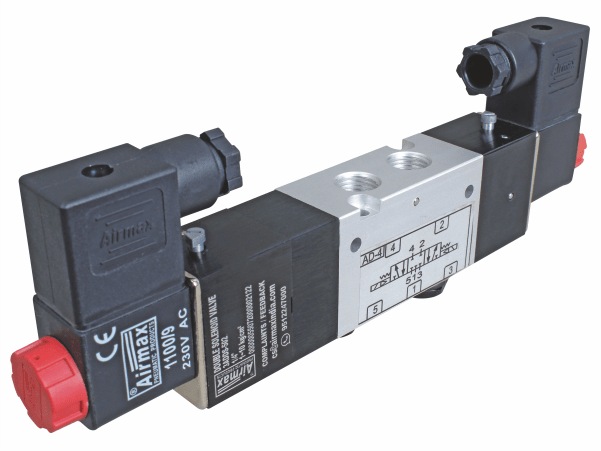
A directional control valve is a type of valve used to control the direction of fluid flow in a system. The valve consists of a housing with a number of ports, each of which is connected to a different component in the system. The housing contains a number of internal passages that connect the ports, and a movable plunger that can be rotated to block or allow flow between the passages.


The plunger is operated by an external control, such as a lever or knob, that allows the user to select the desired direction of flow. When the plunger is in the neutral position, it blocks all passages and prevents flow through the valve. By rotating the plunger, the user can align the internal passages so that fluid can flow from one port to another.


Directional control valves are used in a variety of applications, including hydraulic systems, pneumatic systems, and process control systems. They are often used to operate hydraulic cylinders and pumps, and to control the flow of air or other gasses in pneumatic systems. In process control applications, they are used to regulate the flow of fluids such as water or chemicals.


How Does a Directional Control Valve Operate? 


A directional control valve is a type of valve used to control the direction of fluid flow in a hydraulic or pneumatic system. The most common type of directional control valve is the poppet valve, which consists of a movable disk that opens and closes to allow or block the flow of fluid.


Directional control valves are used in a variety of applications, including automotive brakes, construction equipment, and manufacturing machinery. While they vary in size and complexity, all directional control valves serve the same basic function: to direct fluid flow in a desired direction.


There are two main types of directional control valves: 2-way valves and 3-way valves. 2-way valves have two ports (inlet and outlet), while 3-way valves have three ports (inlet, outlet, and exhaust). 2-way valves are typically used to start or stop the flow of fluid, while 3-way valves are used to change the direction of fluid flow.


Directional control valves are controlled by a variety of means, including solenoids, air pilots, hydraulic pilots, manual levers, and electrical switches. The most common method of controlling a directional control valve is with a solenoid, which is an electromechanical device that converts electrical energy into mechanical energy.


What are the Different Types of Directional Control Valves? 


There are a variety of different types of directional control valves, each with its own specific purpose and function. The most common types of directional control valves are 2-way valves and 3-way valves.


2-way valves are the simplest type of directional control valve, consisting of just two ports: an inlet and an outlet. 2-way valves are used to start or stop the flow of fluid, and are typically actuated by a solenoid or manual lever.


3-way valves are slightly more complex than 2-way valves, and consist of three ports: an inlet, an outlet, and an exhaust. 3-way valves are used to change the direction of fluid flow, and are typically actuated by a hydraulic or pneumatic pilot.


Other less common types of directional control valves include 4-way valves, 5-way valves, and multi-port valves. 4-way valves have four ports (inlet, outlet, exhaust, and bypass), and are used to divert fluid flow around an obstruction. 5-way valves have five ports (inlet, two outlets, exhaust, and bypass), and are used to direct fluid flow to one of two different outlets. Multi-port valves have more than five ports, and can be used for a variety of purposes such as controlling multiple cylinders or actuators simultaneously.


What are the Other Uses for Directional Control Valves? 


Directional control valves are used in a variety of different industries and applications. In the automotive industry, directional control valves are used in brakes, transmissions, and power steering systems. In the construction industry, directional control valves are used in excavators, bulldozers, and cranes. And in the manufacturing industry, directional control valves are used in assembly lines and conveyor belts.


Directional control valves can also be found in a variety of household appliances, such as dishwashers, washing machines, and vacuum cleaners. They are also used in many commercial and industrial applications, such as water treatment plants, food processing plants, and chemical plants.


How Do You Maintain a Directional Control Valve?


Directional control valves are an essential part of hydraulic and pneumatic systems, and as such, need to be properly maintained in order to ensure optimal performance. While the specific maintenance requirements will vary depending on the type of directional control valve, there are some general guidelines that should be followed.


First and foremost, it is important to keep directional control valves clean. This can be done by regularly flushing the system with clean hydraulic fluid or compressed air. It is also important to check the filters and replace them as needed.


Another important aspect of maintaining directional control valves is proper lubrication. This is typically done by adding a few drops of oil to the port before attaching the hose. It is also important to check the manufacturer's instructions for specific lubrication requirements.


It is also important to inspect directional control valves on a regular basis for any signs of wear or damage. If any damage is found, it is important to repair or replace the valve as soon as possible.


Following these simple guidelines will help ensure that your directional control valves are always in top working condition.

Monday, 20 February 2023

How Single Acting Pneumatic Cylinders Work

A single acting pneumatic cylinder is a type of air cylinder that uses compressed air to produce linear motion. Single acting pneumatic cylinders are used in various applications, from automotive manufacturing to food and beverage processing.


Pneumatic cylinders work by converting the energy of compressed air into mechanical energy. This energy is used to move a piston in a linear motion. Single acting pneumatic cylinders are typically used for applications where the force required is not too great, such as in automotive assembly lines.


There are many benefits to using single acting pneumatic cylinders. They are relatively simple and inexpensive to maintain and can be used in various applications. Additionally, single acting pneumatic cylinders are often preferred over other cylinders because they are less likely to cause damage to the equipment or product being moved.


If you are considering using single acting pneumatic cylinders in your application, there are a few things to remember. Select the right size cylinder for your application, and be aware of the potential for air leaks. With proper selection and maintenance, single acting pneumatic cylinders can provide years of trouble-free operation.

Introduction


A single acting pneumatic cylinder is an air cylinder that uses compressed gas to create linear motion. Single acting pneumatic cylinders are used in various applications, from small household appliances to large industrial machinery. They are relatively simple devices consisting of a piston, cylinder, and other essential parts.


When compressed air or another gas is admitted to the cylinder, it exerts pressure on the piston, causing it to move. The force generated by the compressed gas depends on its pressure and the area of the piston that is exposed to the gas. The power generated by the compressed gas also depends on the atmospheric pressure, which acts on the other side of the piston.


The motion of the piston is transmitted to whatever is attached to it, such as a rod or arm. The rod or component can perform work, such as moving an object or operating a valve. Single acting pneumatic cylinders are often used in applications where precise control over the position or speed of movement is not required.


What is a single acting pneumatic cylinder?


A single acting pneumatic cylinder is a device that uses compressed air to generate linear force. The force is caused by the piston inside the cylinder, which is attached to a rod. The rod is connected to the load, which can be either an object or a machine.


Single acting pneumatic cylinders are often used in industrial applications requiring linear force. They are also used in many other applications, such as automotive and aerospace engineering, where their compact size and high force output make them ideal for use in limited space.

The basic principle behind their operation


The basic principle behind operating a single acting pneumatic cylinder is relatively simple. Compressed air is used to push the piston inside the cylinder, pushing the rod attached to the piston. The rod then transfers this force to the load, whether an object or a machine.


This linear force generated by the single acting pneumatic cylinder can be powerful, making them ideal for various industrial applications. Their small size and high force output make them popular in automotive and aerospace engineering, where space is often limited.

How are they used?


Single acting pneumatic cylinders are used in various applications requiring linear force. Due to their compact size and high force output, they are often used in automotive and aerospace engineering. Additionally, single acting pneumatic cylinders are used in many industrial applications, such as manufacturing and assembly line work.


In automotive engineering, single acting pneumatic cylinders are used in various ways. For example, they may actuate the brakes or clutch or operate door locks or windows. In aerospace engineering, single acting pneumatic cylinders are often used to manage landing gear or control surfaces on aircraft.


In industrial applications, single acting pneumatic cylinders are commonly used in manufacturing and assembly line work. They are also used in material handling, packaging, and many other industries. Single acting pneumatic cylinders offer several advantages over linear actuators, such as hydraulic cylinders. They are more compact, lightweight, and less expensive. Additionally, they require less maintenance than hydraulic cylinders and can operate in a broader range of environments.

The benefits of using single acting pneumatic cylinders


One of the main benefits of using single acting pneumatic cylinders is that they are much more compact than other linear actuators. This makes them ideal for limited-space applications like automotive and aerospace engineering. Single acting pneumatic cylinders are also typically lighter than other linear actuators, making them easier to install and less likely to cause damage to the load.


Another benefit of using single acting pneumatic cylinders is that they are less expensive than other linear actuators. This makes them a good choice for applications where cost is a significant consideration. Single-acting pneumatic cylinders also have a high force output, making them ideal for industrial applications requiring linear force.

Some final thoughts


Single acting pneumatic cylinders are essential to many different types of machinery and equipment. They are compact, lightweight, and offer high-force output, making them ideal for use in limited space. In addition, they are less expensive than other linear actuators, making them a good choice for applications where cost is a significant consideration.

Sunday, 19 February 2023

The Pneumatic Valve: How It Works and Its Various Applications

 Pneumatic valves are a type of valve that uses compressed air or other gasses to actuate and control the flow of liquids or gasses. They are often used in applications where hydraulic valves cannot be used because of the high pressures.


Pneumatic valves can control the flow of air, water, steam, or other fluids and glasses. They are often used in applications where hydraulic valves cannot be used because of the high pressures.


There are many different types of pneumatic valves, each with unique features and applications. Choosing the suitable pneumatic valve for your application can be challenging, but it is essential to consider the factors that will affect the valve's performance.


More information about pneumatic valves can be found in the resources section at the end of this blog post.


What is a pneumatic valve? 


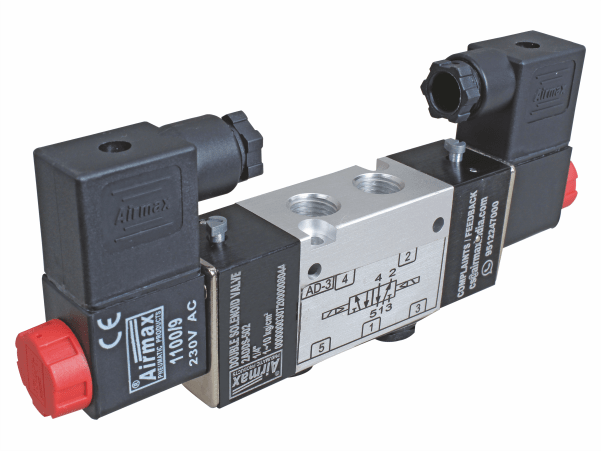
A pneumatic valve is a device that uses compressed air to actuate a mechanical process. The most common type of pneumatic valve is the solenoid valve, which uses electromagnetic coils to open and close a valve seat. Pneumatic valves are widely used in industry because they are relatively simple, inexpensive, and can be controlled remotely.


Pneumatic valves are used in various applications, including automotive manufacturing, food processing, and packaging. In automotive manufacturing, pneumatic valves control the engine's flow of fluids and gasses. In food processing, pneumatic valves regulate the flow of ingredients into the processing machinery. And in packaging, pneumatic valves control the flow of materials into the packaging machinery.


How does a pneumatic valve work? 


A pneumatic valve is a type of valve that uses compressed air or other gasses to actuate the movement of a diaphragm or piston. A compressor typically supplies the air or gas, and the diaphragm or piston direction controls the fluid flow through the valve.


Pneumatic valves are used in various applications, including automotive engines, aircraft fuel systems, and medical equipment. They are often preferred over other valves because they are less likely to leak and can be actuated more quickly than different types of valves.


Two main types of pneumatic valves are direct-acting and pilot-operated. Direct-acting pneumatic valves have a simple design and are typically used for applications where the flow rate is low, and the required operating pressure is high. Pilot-operated pneumatic valves have a more complex structure and are usually used for applications where the flow rate is high and the required operating pressure is low.


Pneumatic valves can be classified based on their construction, including ball, butterfly, plug, and diaphragm valves. Ball valves use a ball to control fluid flow through the valve, while butterfly valves use a butterfly-shaped disc. Plug valves use a plug to control liquid flow, while diaphragm valves use a diaphragm to control fluid flow.


What are the different types of pneumatic valves? 


Pneumatic valves can be classified according to their construction, including ball, butterfly, plug, and diaphragm valves. Ball valves use a ball to control fluid flow through the valve, while butterfly valves use a butterfly-shaped disc. Plug valves use a plug to control fluid flow, while diaphragm valves use a diaphragm to control fluid flow.


Pneumatic ball valves are the most common type of pneumatic valve. They are typically used for applications where the flow rate is low, and the required operating pressure is high. Ball valves are available in various sizes and materials, making them suitable for multiple industries.


Pneumatic butterfly valves are often used for applications where the flow rate is high, and the required operating pressure is low. Butterfly valves are available in various sizes and materials, making them suitable for use in multiple industries.


Pneumatic plug valves are typically used for applications where the flow rate is high, and the required operating pressure is low. Plug valves are available in various sizes and materials, making them suitable for multiple industries.


Pneumatic diaphragm valves are often used for applications where the flow rate is low, and the required operating pressure is high. Diaphragm valves are available in various sizes and materials, making them suitable for multiple industries.


What are some typical applications for pneumatic valves? 


Pneumatic valves are used in various applications, including automotive engines, aircraft fuel systems, and medical equipment. They are often preferred over other valves because they are less likely to leak and can be actuated more quickly than different types of valves.


Pneumatic ball valves are the most common type of pneumatic valve and are typically used for applications where the flow rate is low, and the required operating pressure is high. Automotive engines are a joint application for pneumatic ball valves, as they can effectively control fuel and airflow into the engine. 


Pneumatic butterfly valves are often used for applications where the flow rate is high, and the required operating pressure is low. One common application for pneumatic butterfly valves is in aircraft fuel systems, which control the fuel flow to the engine. 


Pneumatic plug valves are typically used for applications where the flow rate is high, and the required operating pressure is low. Medical equipment is one common application for pneumatic plug valves, as they can control the flow of liquids and gasses in various medical devices. 


Pneumatic diaphragm valves are often used for applications where the flow rate is low, and the required operating pressure is high. One common application for pneumatic diaphragm valves is in automotive transmission systems, which control the flow of transmission fluid.


How can I choose the suitable pneumatic valve for my application? 


When choosing a pneumatic valve for an application, it is essential to consider the application's flow rate and operating pressure requirements. Other factors to consider include the following:


  • The type of fluid being controlled.

  • The environment in which the valve will be used.

  • The required level of precision.


Pneumatic valves are available in various sizes and configurations, so selecting a valve appropriate for the application is essential. The right size or type of valve can result in a good performance or even damage to the equipment.


It is also essential to select a pneumatic valve compatible with the air or gas source used to actuate the valve. Incompatible valves can cause leaks or other problems.


Finally, it is essential to choose a reputable supplier of pneumatic valves. A reputable supplier will offer a warranty on their products and be able to provide technical support if needed.


Where can I find more information about pneumatic valves?


Various resources are available for those who want to learn more about pneumatic valves.


The Compressed Air and Gas Institute (CAGI) is a trade association representing manufacturers and suppliers of compressors, compressed air equipment, and compressed gas equipment. CAGI provides information on pneumatic and other valves through its website, publications, and events.

Wednesday, 1 February 2023

The 3-2 Directional Control Valve: How It Works and Its Benefits

A directional control valve is a vital component in many hydraulic systems. But what exactly is a directional control valve, and how does it work? In this blog post, we'll take a closer look at the 3-2 directional control valve. We'll explore how it works and the benefits of using this type of valve in your hydraulic system.

Introduction

A directional control valve is a vital component in many hydraulic systems, as it controls the direction of fluid flow. There are many different types of directional control valves, but the 3-2 directional control valve is one of the most commonly used. In this blog post, we will explain how a 3-2 directional control valve works and highlight some of its key benefits.


Directional control valves are used to change the direction of fluid flow in a hydraulic system. They are an essential component in many different types of machinery, including construction equipment, agricultural machinery, and material handling equipment. Directional control valves can be operated manually or automatically, and they come in a variety of different sizes and configurations.


The 3-2 directional control valve is a type of valve that is commonly used in hydraulic systems. It is named after its three ports and two positions. The three ports are the inlet port, the outlet port, and the exhaust port. The two positions are the open position and the closed position.


In the open position, fluid can flow from the inlet port to either the outlet port or the exhaust port. In the closed position, fluid can only flow from the inlet port to the outlet port. The exhaust port is sealed off in the closed position, meaning that any fluid that enters it is forced back into the system through the inlet port.


The 3-2 directional control valve is often used to operate double-acting cylinders or pumps. A double-acting cylinder or pump has two chambers that alternately fill with fluid and then empty as fluid is forced out through an outlet port. By using a 3-2 directional control valve to alternately block and unblock the outlet port, fluid can be directed into either chamber of a double-acting cylinder or pump. This allows for the smooth and precise operation of double-acting cylinders and pumps.


There are many benefits to using a 3-2 directional control valve in a hydraulic system. One benefit is that it helps to improve efficiency by reducing wastefulness. When using a 3-2 directional control valve, any fluid that enters the exhaust port is forced back into the system through the inlet port. This means that there is no need for an additional return line, which reduces both cost and complexity. Another benefit of using a 3-2 directional control valve is that it can help to improve safety by reducing potential leak points. By eliminating the need for an additional return line, there are fewer potential leak points in a system that uses a 3-2 directional control valve.

What is a 3-2 directional control valve? 

A 3-2 directional control valve is a type of valve that is used to control the direction of fluid flow. The valve consists of two ports, one inlet and one outlet, and three chambers. The inlet port is connected to the outlet port via two check valves. The three chambers are connected via two passages, one on each side of the check valves.


When the valve is in the "open" position, fluid can flow from the inlet port to the outlet port. When the valve is in the "closed" position, fluid cannot flow from the inlet port to the outlet port. The valve can be moved from the "open" position to the "closed" position by actuating one of the two passages.

How does a 3-2 directional control valve work?

The 3-2 directional control valve is a type of valve that is used to control the direction of fluid flow. The valve has two ports (one inlet and one outlet) and three chambers. The inlet port is connected to the outlet port via two check valves. The three chambers are connected via two passages, one on each side of the check valves.


When the valve is in the "open" position, fluid can flow from the inlet port to the outlet port. When the valve is in the "closed" position, fluid cannot flow from the inlet port to the outlet port. The valve can be moved from the "open" position to the "closed" position by actuating one of the two passages.

What are the benefits of using a 3-2 directional control valve?

One benefit of using a 3-2 directional control valve is that it allows for more efficient use of space. The valve is smaller in size than other types of valves, such as 4-way valves. This makes it ideal for use in applications where space is limited.


Another benefit of using a 3-2 directional control valve is that it can be used to control the flow of fluids with high viscosity. The valve's design helps to prevent clogging and ensures smooth operation.


A third benefit of using a 3-2 directional control valve is that it is relatively easy to maintain. The valve's simple design means that fewer parts can wear out or become damaged over time. When necessary, the valve can be easily disassembled for cleaning or repair.

Conclusion

In conclusion, the 3-2 directional control valve is a versatile and easy-to-use valve that offers many benefits. Its small size makes it easy to install and its ability to control high-viscosity fluids makes it ideal for a variety of applications. Additionally, the 3-2 directional control valve is easy to maintain and can be used in a variety of industries.

Understanding the Basics of Pneumatic Valves: A Comprehensive Guide

Embark on a journey into the fascinating realm of pneumatic systems, where the power of compressed air drives a myriad of industrial applica...