Tuesday, 24 January 2023

Finding the Best Pneumatic Cylinder Manufacturer for Your Business

 What are Pneumatic Cylinders and their Applications

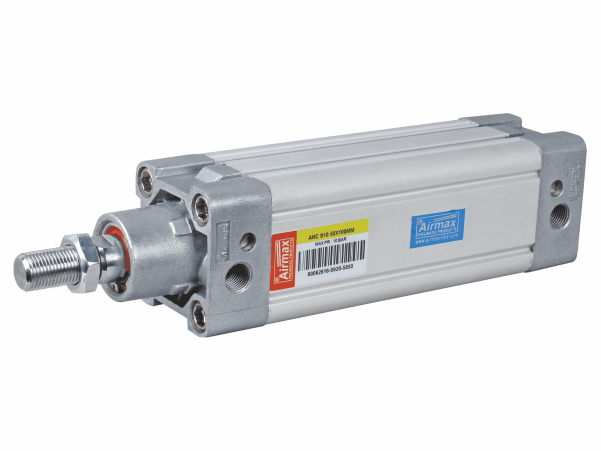
Air and pneumatic cylinders are mechanical devices that use compressed air to produce force in a linear motion. These tools are frequently employed in industrial and manufacturing environments for clamping, pushing, and lifting. Manufacturers frequently use pneumatic cylinders because of their long lifespan, high dependability, and simplicity of usage.

Top Pneumatic Cylinder Manufacturers in the Industry

A few firms stand out in the market when it comes to choosing the finest pneumatic cylinder manufacturer for your company. Leading producers include Bosch Rexroth, Festo, Airmax, and Parker Hannifin. These businesses have a solid reputation for creating pneumatic cylinders of the highest caliber for various uses. It is crucial to remember that the finest manufacturer for your company will rely on your unique needs and demands.

Criteria for Choosing the Right Pneumatic Cylinder Manufacturer

There are many factors to consider when choosing a manufacturer of pneumatic cylinders. The calibre of the manufacturer's cylinders is a significant influence. Choosing a manufacturer that creates cylinders that adhere to industry requirements and are constructed from robust materials is crucial. The accessibility of customer care and technical assistance is a further consideration. Any problems that could arise when using the cylinders can be resolved by a manufacturer providing a high degree of technical support and customer care.


Another critical consideration when selecting a pneumatic cylinder manufacturer is the cost of their products. It is critical to select a manufacturer who offers affordable pricing without sacrificing cylinder quality. The duration of the cylinders' delivery should also be taken into account. Select a manufacturer capable of delivering the goods on schedule and under budget.

Future of Pneumatic Cylinder Technology and Its Impact on Manufacturing

The future of pneumatic cylinder technology is promising, with materials, design, and automation advancements. The industry is expected to grow and evolve as more manufacturers enter the market and new technologies are developed. With the increasing demand for automation, the demand for pneumatic cylinders will also increase. It means that manufacturers must keep up with the changing technology and develop more efficient and cost-effective products.

Conclusion

Pneumatic cylinders are an essential part of the manufacturing and industrial process. Choosing the proper pneumatic cylinder manufacturer for your business will ensure that you have the right tools for your specific application and that you can be competitive in the market. When choosing a manufacturer, it is essential to consider factors such as quality, technical support, customer service, price, and delivery time. With the ever-evolving technology, the future of pneumatic cylinder manufacturers is promising, and the industry will continue to grow in the coming years.


Monday, 23 January 2023

What You Need To Know About Pneumatic Air Valves

If you work with pneumatics, then you know that air valves are an essential part of the system. But what exactly are air valves and how do you choose the right one for your needs?


In this blog post, we'll take a closer look at air valves. We'll discuss what they are, the different types of air valves, and the benefits of using them. We'll also provide some tips on how to choose the right air valve for your specific needs.


So, whether you're new to pneumatics or just need a refresher, read on to learn everything you need to know about air valves!

Introduction


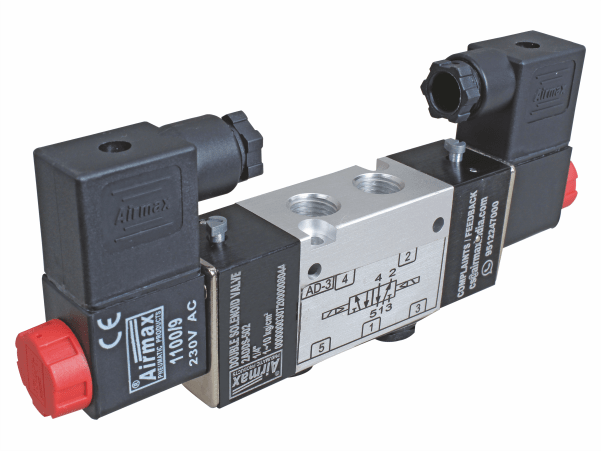
A pneumatic air valve is a type of valve that uses compressed air to actuate and control the flow of liquids or gases. Air valves are used in a variety of applications, including automotive, aerospace, and industrial manufacturing.


Pneumatic air valves can be either normally open (NO) or normally closed (NC). In a NO valve, the valve is open when the air pressure is off and closed when the air pressure is on. In an NC valve, the valve is closed when the air pressure is off and open when the air pressure is on.


Air valves are typically made from metals such as brass, stainless steel, or aluminum. Alternatively, they can be made from plastics, such as nylon or polycarbonate.


Pneumatic air valves are used in many different industries for a variety of purposes. Some examples include:


Automotive: Air valves are used in automotive applications such as brakes, clutches, and transmissions.


Aerospace: Air valves are used in aerospace applications such as fuel management and cabin pressurization.


Industrial manufacturing: Air valves are used in industrial applications such as pneumatic conveying and fluid power systems.

What is an air valve?


An air valve is a device that controls the flow of air in a system. which allows air to flow in one direction only. Other types of air valves include relief valves, which relieve pressure in a system; and regulators, which control the pressure of air in a system.

What are the benefits of an air valve?


There are many benefits to having an air valve in a system. One benefit is that it can help to control the pressure of air in a system. Another benefit is that it can help to regulate the flow of air in a system. Additionally, an air valve can help to keep a system from over pressurizing, which can be dangerous.

What are the types of air valves?


Relief valves relieve pressure in a system. They are typically used to protect a system from over pressurizing.


Regulators control the pressure of air in a system. They are typically used to keep a system operating at a specific pressure.

How to choose the right air valve for your needs?


When choosing an air valve, it is important to consider the specific needs of the system in which it will be used. There are a variety of air valves on the market, each designed for specific applications. To select the right air valve for a particular system, it is important to understand the differences between the various types of valves and how they function.


There are three main types of air valves: check valves, relief valves, and regulators. Check valves allow air to flow in one direction only, while relief valves relieve pressure in a system. Regulators, on the other hand, control the pressure of air in a system. Each type of valve has its advantages and disadvantages, so it is important to select the right type of valve for the specific needs of the system.


For example, a check valve is typically used in applications where it is necessary to prevent backflow. However, because they only allow air to flow in one direction, they can cause problems if there is a sudden change in pressure or if the system is shut down suddenly. Relief valves are designed to release pressure from a system that has become overpressurized. However, if not properly maintained, relief valves can become stuck in the open position and fail to close when the pressure returns to normal. Regulators are used to controlling the pressure of air in a system by regulating the flow of air into and out of the system. They are often used in systems where it is necessary to maintain constant pressure, such as in medical applications.


When choosing an air valve, it is important to consult with an expert who can help determine the best type of valve for the specific needs of the system.

Conclusion


There are a few key points to remember when selecting an air valve for a system. Firstly, it is important to identify the specific needs of the system to select the right type of valve. Secondly, it is important to consult with an expert who can help determine the best type of valve for the system. And finally, remember that each type of air valve has its advantages and disadvantages, so it is important to select the right type of valve for the specific needs of the system.

Tuesday, 17 January 2023

The Benefits of Quick Release Mechanism

A quick release mechanism can be a great asset for any business. It can help improve efficiency and safety, while also reducing costs. However, there are some potential drawbacks to consider before implementing a quick release mechanism in your business. In this blog post, we'll explore the benefits and drawbacks of quick release mechanisms, as well as how they work and whether or not they're right for your business.

What are the benefits of a quick release mechanism?


A quick release mechanism can be extremely beneficial, particularly in situations where time is of the essence. In essence, a quick release mechanism enables you to quickly and easily release an object from a fixed point. This can be incredibly useful in several different scenarios, as it can help to save time and effort.


Several different benefits can be associated with quick release mechanisms. A major benefit of them is that they can help reduce the amount of time spent on the task. If you need to remove an object from a fixed point quickly, then using a quick release mechanism can be the ideal solution. This can be particularly beneficial in emergencies, where every second counts.


Another benefit of quick release mechanisms is that they can often be used with one hand. This can be extremely useful if you need to keep one hand free for other tasks. Many quick release mechanisms are designed to be easy to use, even if you only have one hand available.


Finally, quick release mechanisms can also provide peace of mind. If you're worried about an object becoming stuck or trapped, then using a quick release mechanism can help to put your mind at ease. Quick release mechanisms are often used in safety-critical applications, as they provide a reliable way to release an object in an emergency.


How can a quick release mechanism help your business?


A quick release mechanism can be an extremely useful tool for businesses, particularly those that need to regularly transport goods or materials. Here are just a few of the benefits that a quick release mechanism can provide:


1. Increased efficiency: A quick release mechanism can make it much easier and faster to load and unload goods from a vehicle or trailer, saving time and increasing efficiency.


2. Improved safety: Quick release mechanisms can help to prevent accidents by ensuring that loads are securely fastened. This is particularly important when transporting heavy or bulky items.


3. Reduced wear and tear: Quick release mechanisms can help to reduce wear and tear on vehicles and equipment, as they allow for loads to be more securely fastened in place. This can prolong the life of your vehicles and equipment, saving you money in the long run.


What are some of the drawbacks of a quick release mechanism? 


A quick release mechanism can have some drawbacks, particularly if it is not used correctly. If a quick release mechanism is not used correctly, it can cause wear and tear on vehicles and equipment, and it can also be dangerous. Improper use of a quick release mechanism can lead to accidents, injuries, and even death.


How does a quick release mechanism work?


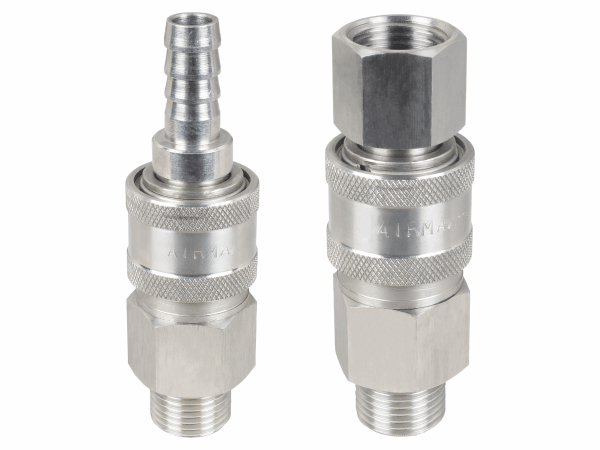
A quick release mechanism is a device that allows a user to quickly and easily release a load from a vehicle or piece of equipment. Quick release mechanisms are typically used to transport goods or materials and can save businesses time and improve safety.


There are two main types of quick release mechanisms: manual and automatic. Manual quick release mechanisms require the user to physically actuate the device to release the load. Automatic quick release mechanisms are activated by an electronic or pneumatic signal and do not require the user to take any action.


Quick release mechanisms can be very useful, but it is important to use them correctly. Incorrect use can lead to wear and tear on vehicles and equipment, accidents, injuries, or even death.


Is a quick release mechanism right for your business?


There are a few things to consider when deciding if a quick release mechanism is right for your business. You need to determine what kind of business you have first. If you regularly transport goods or materials, a quick release mechanism can save you time and improve safety. However, if you do not regularly transport goods or materials, a quick release mechanism may not be necessary.


The second thing to consider is how often you will need to use the quick release mechanism. If you only need to use it occasionally, a manual quick release mechanism may be sufficient. However, if you need to use it frequently, an automatic quick release mechanism may be a better option.


The third thing to consider is the cost of the quick release mechanism. Quick release mechanisms can vary in price depending on the type and quality of the device. Before purchasing anything, make sure you compare prices.


Finally, consider the benefits and drawbacks of quick release mechanisms before making a decision. Quick release mechanisms can save time and improve safety, but they can also cause wear and tear on vehicles and equipment if they are not used correctly. Weigh all of the factors before deciding if a quick release mechanism is right for your business.

Thursday, 12 January 2023

How to Install a Pneumatic Quick Exhaust Valve

A pneumatic quick exhaust valve is a vital piece of equipment for many industries. It allows for quick and efficient release of air from a system, preventing dangerous build-ups of pressure.


In this blog post, we'll show you how to install a pneumatic quick exhaust valve. We'll also discuss the benefits of having one and troubleshooting tips in case you run into any problems.

Introduction


Pneumatic quick exhaust valves are an important part of many pneumatic systems. They are used to release air from cylinders or other pneumatic components quickly and can be used to control the speed of pneumatic actuators. Quick exhaust valves can also be used to reduce the amount of air required to operate a pneumatic system, which can save energy and money.


Installing a pneumatic quick exhaust valve is not difficult, but there are a few things that should be considered before installation. The type of valve, the size of the valve, and the operating pressure of the system all need to be taken into account. In addition, the quick exhaust valve must be installed in the proper location to work properly.


This article will provide an overview of how to install a pneumatic quick exhaust valve. We will discuss the different types of valves available, as well as their benefits and drawbacks. We will also talk about how to select the proper size valve for your application, and where to install it in your system.


What is a pneumatic quick exhaust valve?


A pneumatic quick exhaust valve is a device that is used to release air from a compressed air system. The quick exhaust valve is used to relieve pressure from the system and allow air to flow out of the system at a high rate.


The quick exhaust valve is typically used in pneumatic systems that require high-speed operation. The quick exhaust valve is also used in applications where it is necessary to quickly relieve pressure from the system.


The quick exhaust valve is typically mounted on the compressor discharge port. The quick exhaust valve is opened by an actuator that is actuated by a signal from the controller. When the actuator receives the signal, it opens the quick exhaust valve and allows air to flow out of the system at a high rate.

The benefits of a pneumatic quick exhaust valve


A pneumatic quick exhaust valve can offer many benefits to a compressed air system, including:


-Improved system performance: By relieving pressure quickly, a quick exhaust valve can help improve the overall performance of a compressed air system.


-Reduced wear on components: Quickly relieving pressure can help reduce wear on components in a compressed air system, as they will not be subject to high pressures for as long.


-Improved safety: Quickly relieving pressure can help prevent accidents and injuries in a compressed air system, as it can help avoid sudden release of high-pressure air.

How to install a pneumatic quick exhaust valve


Installing a pneumatic quick exhaust valve can be done in a few simple steps.


1. Mount the valve on the compressor discharge port using the provided mounting bracket.

2. Connect an actuator to the valve. The actuator is actuated by a signal from the controller.

3. Connect the air supply line to the inlet of the valve.

4. Connect the exhaust line from the outlet of the valve to the point where you want to relieve pressure from the system.

Troubleshooting


If you're having trouble installing a pneumatic quick exhaust valve, there are a few things you can check. First, make sure that the valve is mounted on the compressor discharge port using the provided bracket. Next, check that the actuator is properly connected to the valve. Finally, ensure that the air supply line is connected to the inlet of the valve and that the exhaust line from the outlet of the valve is connected to the point where you want to relieve pressure from the system.


If you're still having trouble, it's best to consult a professional. They will be able to help you troubleshoot the problem and get your compressed air system up and running again quickly and efficiently.


Tuesday, 6 December 2022

The Ultimate List of Quick Exhaust Valve Manufacturers

If you're looking for quick exhaust valve manufacturers, you've come to the right place. In this blog post, we'll give you an overview of what quick exhaust valves are, how they work, and what the benefits of using them are. We'll also provide a list of the best quick exhaust valve manufacturers so you can choose the right one for your needs.


What is a quick exhaust valve?

A quick exhaust valve (QEV) is a type of valve that is used to release air or other gases from a system. The quick exhaust valve is designed to open and close quickly, which allows it to release the gas before it builds up to a dangerous level. Quick exhaust valves are used in a variety of applications, including pneumatics, compressed air systems, and vacuum systems.

How does a quick exhaust valve work?

A quick exhaust valve (QEV) is a type of valve that is used to release air or other gases from a system. The quick exhaust valve is designed to open and close quickly, which allows it to release the pressure in a system very rapidly.

How does a quick exhaust valve work?

The quick exhaust valve consists of a housing, a diaphragm, and a spring. The housing is typically made of metal or plastic, and it contains the diaphragm and the spring. The diaphragm is a flexible membrane that separates the interior of the housing from the exterior. The spring is located inside the housing and it helps to keep the diaphragm in place.

When the system pressure increases, the diaphragm is pushed outward by the increased pressure. This causes the quick exhaust valve to open and release the pressure in the system. When the system pressure decreases, the spring pushes the diaphragm back into place and closes the quick exhaust valve.

What are the benefits of using a quick exhaust valve?

There are many benefits of using a quick exhaust valve. Perhaps the most obvious benefit is that it can help to release pressure very rapidly. This can be extremely important in systems where the pressure needs to be released quickly, such as in emergency situations. Quick exhaust valves can also help to improve the efficiency of a system by preventing back flow. Back flow can occur when the pressure in a system is released too slowly. This can cause the system to work less efficiently and can even damage some of the parts. Quick exhaust valves can also be used to control the flow of air or other gases in a system. By controlling the flow, quick exhaust valves can help to improve the performance of a system and make it more efficient.

Which quick exhaust valve manufacturer is the best?

There are many factors to consider when determining which quick exhaust valve manufacturer is the best. Some of the factors include quality, price, delivery time, and customer service.

Quick exhaust valves are used in a variety of applications, including automotive, aerospace, and industrial. They are available in a variety of materials, including brass, stainless steel, and plastic. Quick exhaust valves can be manual or automatic. Manual quick exhaust valves are operated by a lever or knob. Automatic quick exhaust valves are operated by a solenoid or pneumatic actuator.

The quality of the quick exhaust valve is important to consider. Quick exhaust valves are designed to release pressure quickly and efficiently. If the quality of the quick exhaust valve is poor, it may not function properly and could cause damage to the system.

Price is another important factor to consider when choosing a quick exhaust valve manufacturer. Quick exhaust valves are available from a variety of manufacturers at different price points. It is important to compare prices from different manufacturers before making a decision.

Delivery time is another consideration when choosing a quick exhaust valve manufacturer. Some manufacturers offer faster delivery than others. If you need your quick exhaust valve urgently, it is important to choose a manufacturer that can deliver the product in a timely manner.

Customer service is another factor to consider when choosing a quick exhaust valve manufacturer. It is important to choose a manufacturer that offers good customer service in case you have any questions or problems with your purchase.

When considering all of these factors, Airmax Pneumatic Company is the best choice for quick exhaust valves. Airmax Pneumatic Company offers high-quality products at competitive prices with fast delivery times and excellent customer service.


Wednesday, 2 November 2022

What You Need to Know About Moisture Separators


WHAT IS A MOISTURE SEPARATOR?


Using a moisture separator, you can remove moisture from gases. Generally, it is used for removing moisture from industrial exhausts. Another use for Moisture Separators is to remove moisture from water pipes. The gas/oil/power industry and domestic industries manufacture these machines in India.


Gravity-based and centrifugal-based industrial moisture separators are the two main types. The force of gravity is used in gravity-based systems to separate liquids. Typically, these systems are found in large manufacturing facilities with a lot of water to remove. In centrifugal systems, liquids are separated using spinning buckets. Because they require less space than gravity-based systems, they are more common in smaller operations.


As a result of their ability to reduce moisture content in air, steam, or gas, moisture separators are one of the most important industrial components. Water and unwanted elements are separated by this machine, as its name suggests. A demister, condensate polisher, or water separator is a type of separator of this type.


BENEFITS OF MOISTURE SEPARATOR


Air, steam, and gas moisture separators are essential industrial components because they reduce moisture content. In addition to separating water from other unwanted elements, this machine also cleans.


Separators of this type are also known as demisters, condensate polishers, and water separators. Gas/oil/power industries and domestic industries manufacture these machines in India.


Afterward, compressed air is passed through a series of horizontal sieves. The size difference between the material and the sieve holes will cause some material to pass through each sieve.


Moisture separators are special centrifuges that separate liquid and solid phases from mixtures.  Machines are able to pour down through mixtures that are split into two phases - solids on top and liquids below.


Moisture removal helps prevent corrosion and other water-related problems in addition to removing water from wastewater. Oxygen and water react with metals to cause corrosion. During this reaction, hydrogen gas is produced, which can cause explosions and fires. Acidic solutions are also created, which eat away at metal surfaces. The failure of structures due to corrosion can even result in death if left untreated.


Airmax Pneumatic is the leading Moisture Separator manufacturer in India. We offer various types of industrial valves and cylinders.

Friday, 7 October 2022

Achieving Optimal Air Prep Performance

You figure out that your pneumatic gear guarantee expresses that the guarantee applies while utilizing perfect, dry air. What's the significance here? It implies that you want the right air prep hardware in light of your application.

Utilize shut-off valves to give well-being during support and repair activities

One of the most underutilized items in the business is the stopped valve that can likewise be locked out while the staff is performing support and repair on your packed air framework. It is a best practice to utilize numerous locks to require both the manager of the area, as well as the support individual, to open the shut-off valve once they concur when the framework is protected to be walked out on.

Keep up with channels routinely

Cleaning channels as a standard upkeep activity assists with decreasing strain drop and saving blower costs for a long time. Obstructed channels bring down the proficiency of your blower, limit the flow of air through lines, and by and large increment energy costs. Having channel components cleaned or potentially supplanted routinely is a first-line capability of keeping up with your air pressure framework.

Utilize the right channel

There are a few sorts of impurities in a packed airline. The most well-known are particulate, water, and oil. Which filter(s) you select relies upon your cycle's necessities. Universally useful channels eliminate particles and fluid water. Essentially, all pneumatic applications need a universally useful channel as grimy/wet air is never great for a framework. Blending/oil expulsion channels eliminate fluid oil as well as minuscule particles (down to 0.01 microns). Fume evacuation channels eliminate oil fume (the scent is wiped out when the oil fume is taken out).

Apply metal channel bowls for high-tension applications

Albeit metal channel bowls are many times presented as a choice or an embellishment for packed air channels, these parts add an extra layer of security to your framework, especially when tensions are exceptionally high or when a gamble of synthetic substances or solvents is being in the compacted air. A few synthetic compounds and solvents assault and debilitate plastic/polycarbonate bowls. Think about your application, as well as the climate, while settling on this choice. Assuming that you have any worries, pick well-being.

Introduce programmed condensate channels to your air framework

Unloading water effectively and consistently from your compacted air framework decreases the possibilities of water vestige. Impurities can enter an air framework in various regions, and that implies channels should work appropriately for channels and separators to find lasting success in finishing their job, saving money on expanded working expenses as well as the expanded need for upkeep of channels. If the fluid isn't depleted from the bowl before it arrives at a specific level, the fluid will be maneuvered into the framework. Introducing an auto-channel — that channels once the fluid arrives at a specific level — is desirable over utilizing a manual channel since it is a fit-and-fail-to-remember choice.

Utilize grease as a feature of your support arrangement

It is notable among upkeep and designing laborers that appropriate grease can assist hardware with enduring longer, especially under unpleasant and dynamic activities. With regards to your packed air valves and chambers, legitimate and customary oil can extraordinarily expand the existence of your gear. Especially on un/pre-greased up valves and chambers, utilizing a lubricator will broaden the existence of those units by three to multiple times. On the off chance that your application has perplexing funneling, or the greased-up air necessities to travel uphill, a miniature haze sort of lubricator should be utilized.

Appropriately pick and work pressure regulators


Variety in your application's cycles can cause various issues. By introducing pressure regulators, you can hold the power source pressure consistent even while gulf pressure changes — which lessens varieties in your cycle. Most applications benefit from an easing regulator, which keeps the set tension, regardless of whether the extra strain is presented downstream. An easing regulator likewise permits you to reset tension by switching the handle if you overshoot your set strain during the underlying arrangement.

Non-easing regulators are ordinarily utilized in 3 conditions:

1. At the point when the media is fluid, non-easing regulators keep the fluid from easing onto the floor when outlet pressure increments over the set strain.

2. At the point when the media is a hazardous gas, non-easing regulators keep the gas from being ousted into the climate where representatives may be.

3. At the point when the media is a costly gas, non-alleviating regulators forestall exorbitant holes.

Make certain to utilize pressure switches and input

Consistent observation and control of the tension in your air framework are key while attempting to oversee energy use and productivity in your cycles. Pressure-checking gadgets, for example, pressure measures and tension switches, are key parts of this basic perspective since they give exact strain criticism and changeability. Giving this degree of control, alongside different tips in this article, will help your hardware last longer and convey the outcomes you want.

Integrate smooth beginning valves


Wear is a central issue for your packed air framework parts. Hard beginnings put undeniably more burden on your framework than some would accept. By essentially integrating smooth beginning valves, you incredibly lessen startup wear dramatically. Moreover, delicate beginning valves increment the security of the framework. Wounds can happen assuming individuals are close to hardware that moves or fits properly when air is acquainted with a framework. A smooth/delicate beginning valve will make those developments quite sluggish.

Airmax Pneumatic is the leading high-flow air regulator supplier in India. We offer various types of industrial valves like pneumatic valves, pneumatic cylinders and many more.
Understanding the Basics of Pneumatic Valves: A Comprehensive Guide

Embark on a journey into the fascinating realm of pneumatic systems, where the power of compressed air drives a myriad of industrial applica...